
Web Design Psychology: The psychology of web design is about using human psychology principles to shape how people interact with websites. It focuses on elements like color choices, navigation, and layout to guide users toward desired actions, such as filling out a form or exploring more pages. This approach creates effective websites that boost user engagement and satisfaction while aligning with business goals.
Here’s why it matters. We at Suncode Miami have seen firsthand how these strategies turn average sites into high-performing ones. With over a decade in innovative web design solutions, we’ve helped countless business owners and entrepreneurs elevate their online presence. Let’s dive in.
Key Points / Quick Summary
● Apply psychological principles to influence user behavior and create intuitive designs.
● Key elements include color psychology, visual hierarchy, and white space to reduce clutter and evoke the right emotions.
● Principles like the Von Restorff effect and Zeigarnik effect help make sites more memorable and engaging.
● Focus on user research to understand target audiences and build sites that resonate.
● Aim for a positive user experience through responsive, aesthetically pleasing designs.
● Incorporate social proof and clear calls to action for better conversions.
● Best practices involve balancing usability with interactive elements to guide users effectively.
What Is the Psychology of Web Design?
The psychology of web design combines design elements with insights into human behavior to craft sites that feel natural and compelling. It goes beyond looks. Think about how a clean homepage with strategic navigation can make visitors stay longer. We use this to create effective web design that influences decisions without feeling pushy.
Let’s look at it this way. Good web design leverages principles to influence user behavior, making sites more than just digital brochures. For instance, understanding how people process visual elements helps in designing a website that feels intuitive. At Suncode Miami, we’ve applied this in projects where simple changes, like adjusting a color scheme, boosted user engagement by drawing attention to key areas.
Human psychology plays a big role here. People respond to patterns they’ve seen before, so we build on that for familiarity. This leads to successful websites where users find what they need quickly. Next steps? Start with the basics of why this matters for your business.
Take a look at What is Web Design About
Why Does Psychology Matter in Web Design?

Psychology matters in web design because it helps predict and shape user behavior on your site. Without it, even the best websites can confuse visitors or fail to convert. We focus on this to ensure sites deliver a positive user experience.
Here’s why. Users make snap judgments in seconds. A cluttered interface might evoke frustration, while white space creates calm. Psychological principles guide these choices. For example, the serial position effect states that people remember first and last items in a series best. So, place important calls to action at the top of the page or end of sections.
We see this in practice all the time. Business professionals looking for marketing strategies appreciate sites that use these tactics subtly. It builds trust and encourages actions like form submissions. Let’s examine some core principles next.
What Are the Key Psychological Principles in Web Design?
Key psychological principles in web design include Gestalt laws, color psychology, and effects like Von Restorff and Zeigarnik. These help web designers leverage human psychology to create engaging, effective sites. We incorporate them to make user interfaces that feel seamless.
Color psychology is huge too. Colors evoke emotions-blue for trust, red for urgency. We choose a color scheme that aligns with your brand to resonate with audiences. Then there’s the Zeigarnik effect, discovered by psychologist Bluma Zeigarnik. It says incomplete tasks stick in memory, so progress bars on forms keep users going.
Take Gestalt principles. They explain how we group visual elements, like proximity for related items or similarity in shapes. This creates a visual hierarchy that guides users through web pages without effort. Another is the Von Restorff effect, where standout items grab attention. Use it for calls to action that pop against the background.
The paradox of choice fits here. Too many options overwhelm, so limit them for better decisions. Serial position effect reinforces placing key info at starts and ends. These principles to influence user behavior make for good design that’s both functional and persuasive.
How Does Color Psychology Impact User Behavior?
Color psychology impacts user behavior by triggering emotions and actions on a site. For example, a complementary color palette can make elements on a page feel harmonious, encouraging longer stays. We use this to craft designs that guide users subtly.
Let’s break it down. Blue often signals reliability, ideal for professional services. Red can evoke excitement, perfect for calls to action. But overdo it, and it causes clutter. White space balances this, giving breathing room. In our experience, the right color choices boost user engagement and satisfaction.
Site design benefits too. A homepage with calming greens might resonate with eco-focused audiences, while bold oranges energize e-commerce product pages. Importance of user research helps pick colors that match your target audience. This creates an aesthetically pleasing experience that influences behavior positively.
What Role Does Visual Hierarchy Play in Effective Web Design?
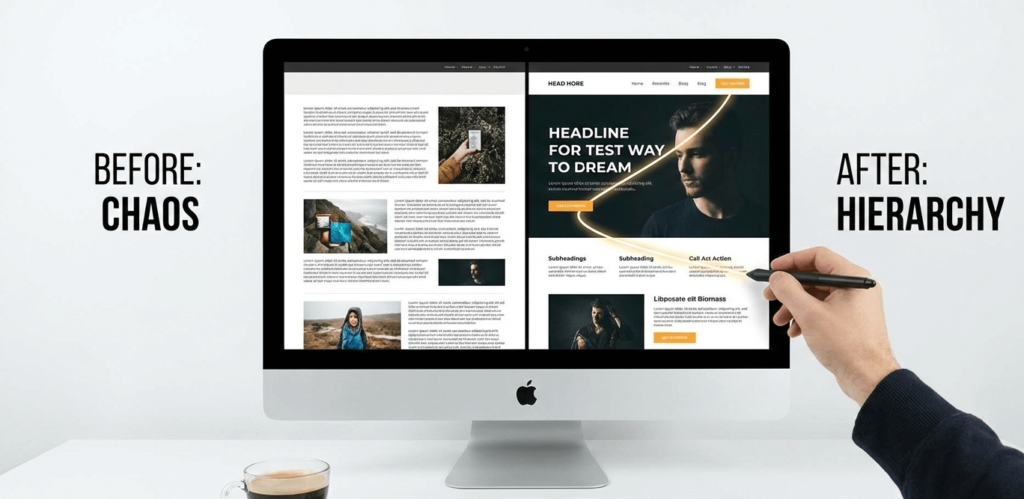
Visual hierarchy plays a crucial role in effective web design by organizing content so users focus on what’s important first. It uses size, contrast, and placement to guide eyes naturally. We rely on this for intuitive designs that keep visitors engaged.
Here’s how it works. Larger headings draw attention, while smaller text supports. The serial position effect ties in-first and last items stand out. Apply this to navigation menus or landing pages. Without hierarchy, sites feel chaotic, reducing usability.
In practice, we layer elements like bold calls to action at the top. This influences user behavior toward desired actions, like signing up. Combine with color scheme for emphasis. Result? A successful website where users navigate effortlessly.
How Can Web Designers Leverage the Von Restorff Effect?
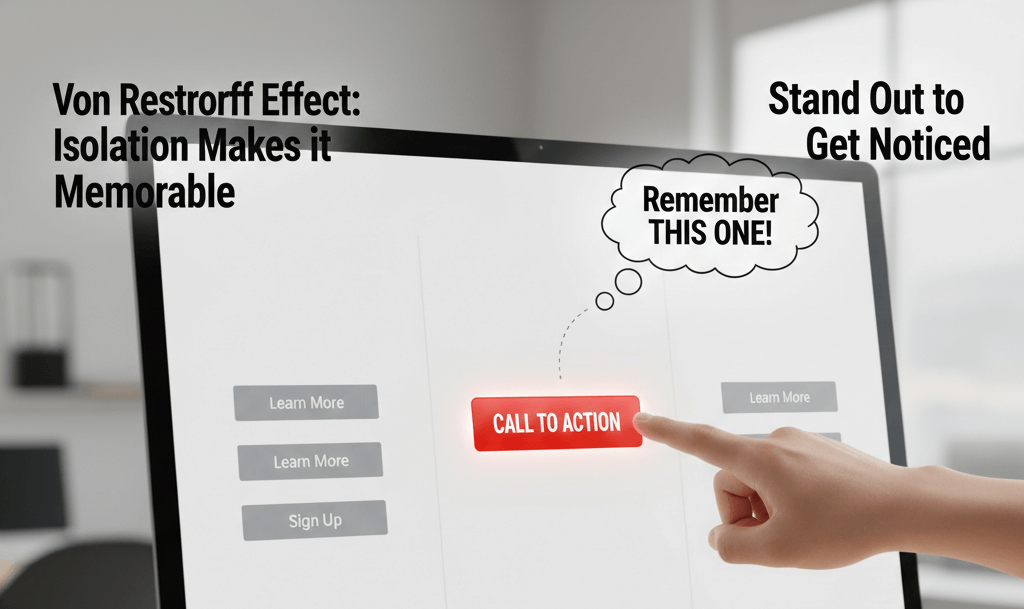
Web designers can leverage the Von Restorff effect by making key elements stand out, ensuring they’re remembered more. Highlight a call to action with unique color or shape amid similar items. We use this to boost interactions on sites.
Simple application. On a product page, make the “Buy Now” button brighter than surrounding text. This draws eyes and encourages clicks. Avoid overusing it to prevent clutter. Paired with white space, it enhances focus.
Our projects show this increases conversions. It aligns with human psychology, where distinct items stick. For web design agencies like us, it’s a tool for creating effective websites that guide users.
Learn about Web Development Skill Set: What You Need to Succeed
What Is the Zeigarnik Effect and How to Use It in Website Design?
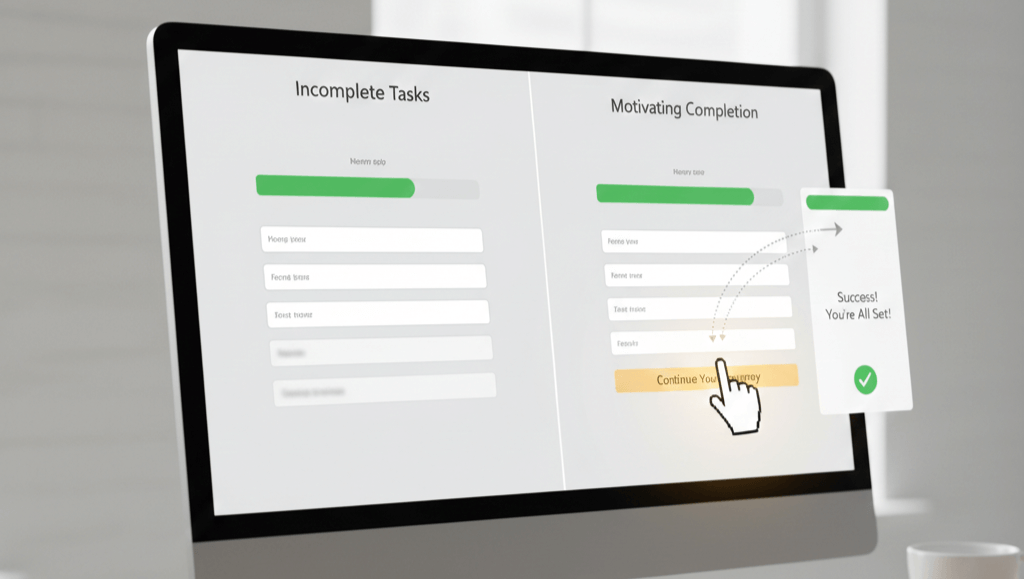
The Zeigarnik effect is the tendency to remember unfinished tasks better than completed ones. In website design, use it by showing progress in multi-step processes, like forms or quizzes. We apply this to keep users motivated.
Effect states that interruptions create tension, pushing completion. Add progress bars on landing pages. This boosts user engagement. For instance, during sign-ups, incomplete steps remind visitors to finish.
We integrate this in designs for better retention. It works with interactive elements, making sites more dynamic. Result? Higher completion rates and positive user experience.
How Does Navigation Influence User Behavior on Websites?
Navigation influences user behavior by making sites easy to explore or frustrating to use. Clear, intuitive menus guide users to desired content quickly. We prioritize this for seamless experiences.
Poor navigation leads to bounces. Good web design uses familiar patterns, like top bars or side menus. Serial position effect helps-place key links first or last. This reduces cognitive load.
In our work, responsive navigation adapts to devices, improving usability. Combine with visual hierarchy for better flow. Ultimately, it shapes how website visitors interact and convert.
Why Is White Space Important in Web Design Psychology?
White space is important in web design psychology because it reduces clutter and lets elements breathe, improving focus and readability. It creates a clean, professional look that evokes calm. We use it to enhance user interfaces.
Too little space overwhelms. Generous white space around calls to action makes them stand out, per Von Restorff effect. This guides users without force.
Our designs show it boosts engagement. It aligns with human behavior, preferring simplicity. For effective sites, it’s essential.
What Interactive Elements Can Boost User Engagement?
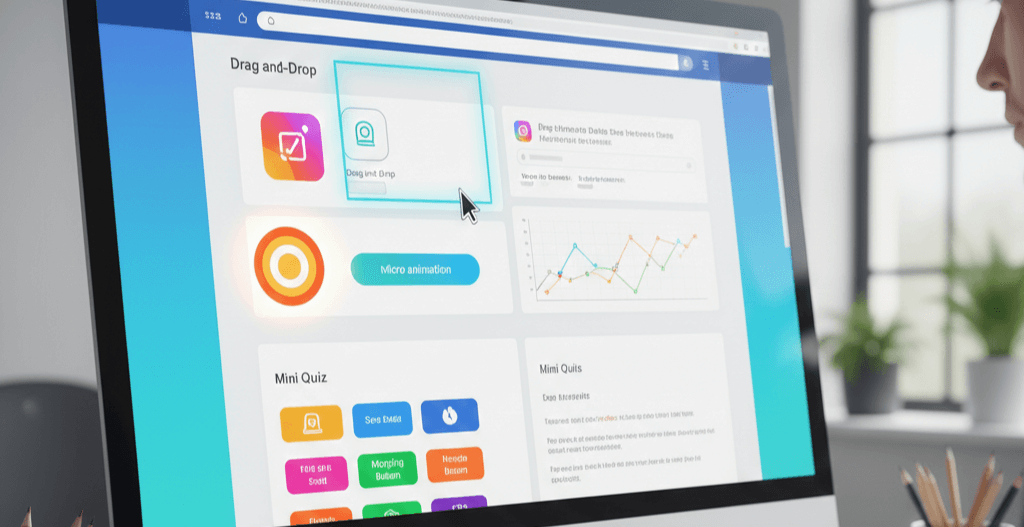
Interactive elements like sliders, hover effects, and quizzes can boost user engagement by making sites feel alive and responsive. They encourage exploration and time spent. We add them thoughtfully to avoid overload.
For example, clickable calls to action with animations draw clicks. Quizzes personalize experiences, tying into psychology principles. This creates positive associations.
Balance with usability. Too many distract. Used right, they guide users toward conversions, like form submissions.
How to Conduct User Research for Better Web Design?

To conduct user research for better web design, start by identifying your target audience through surveys and analytics. Then, observe behaviors via testing. We use this to inform designs that resonate.
Step 1: Define goals. What do you want to learn?
Step 2: Gather data. Interviews, polls, heatmaps.
Step 3: Analyze. Spot patterns in user behavior.
Step 4: Apply insights. Adjust navigation, colors.
Step 5: Test and iterate. Ensure changes improve engagement.
This process uncovers needs, leading to intuitive designs.
What Are Best Practices for Applying Psychology in Web Design?
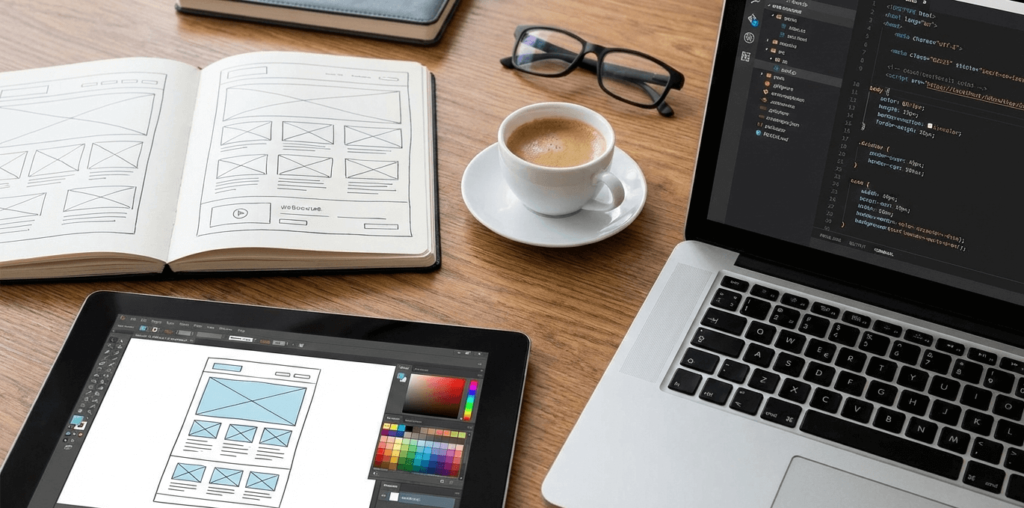
Best practices for applying psychology in web design include simplifying choices, using familiar patterns, and testing iteratively. Focus on user needs for effective sites. We follow these for optimal results.
Incorporate social proof through testimonials. Use scarcity for urgency. Ensure mobile responsiveness.
Web designers can leverage these for better outcomes. Prioritize accessibility and speed.
How Can Web Design Elements Influence Desired Actions?
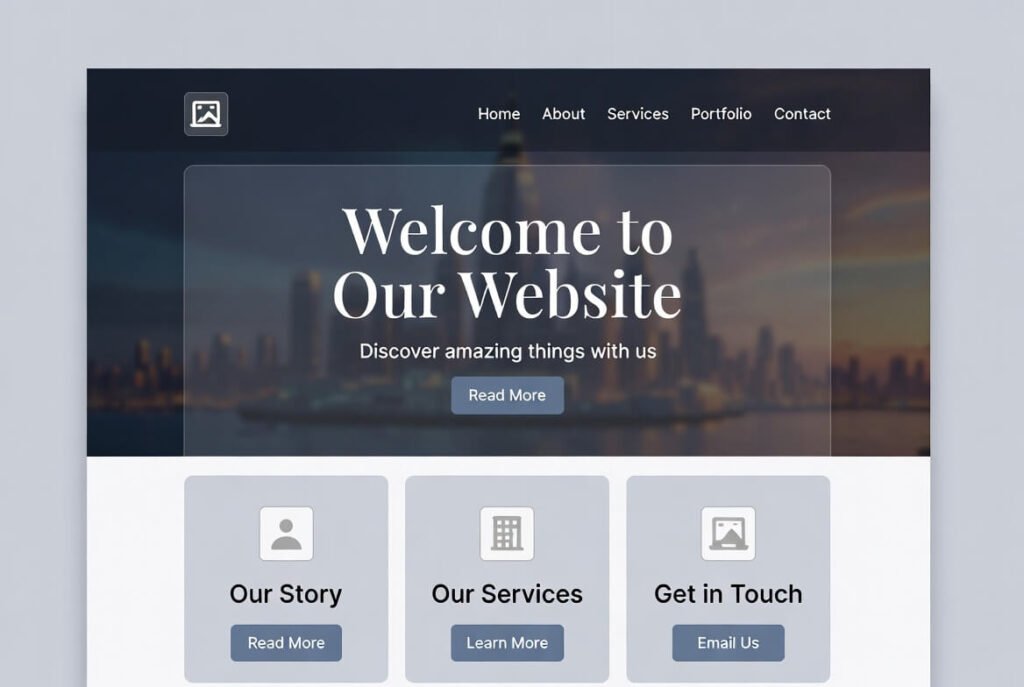
Web design elements like buttons and forms influence desired actions by making them obvious and appealing. Place them strategically with clear labels. We design for easy conversions.
Calls to action should stand out. Use color psychology to evoke urgency.
This guides users toward goals, like filling out a form.
You might be interested in: Flat Design vs Material Design: Key Differences
What Makes a Website Aesthetically Pleasing and Functional?
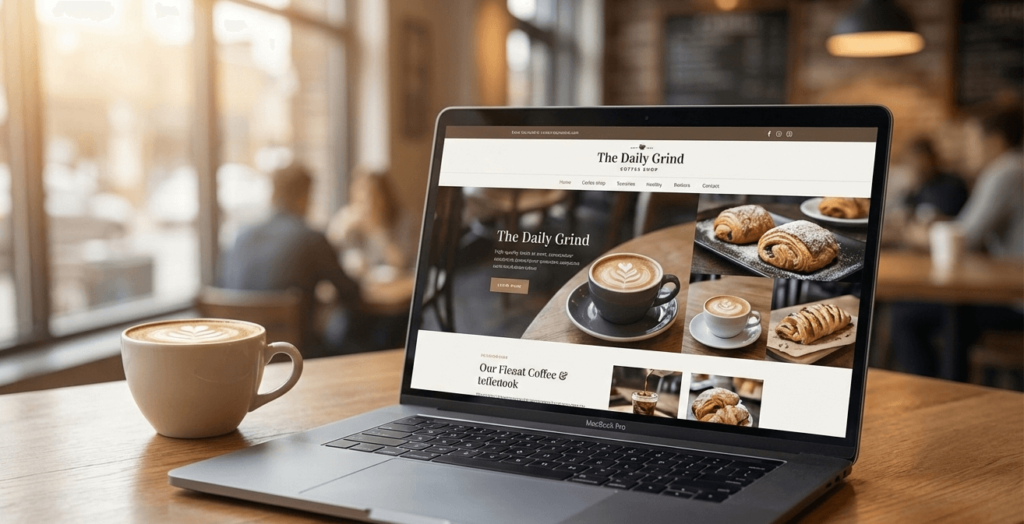
A website becomes truly aesthetically pleasing and functional when it strikes the perfect balance between beautiful design, lightning-fast load times, and intuitive navigation-combining stunning visuals seamlessly with exceptional usability so users not only enjoy the experience, but also accomplish their goals effortlessly. In every project we undertake, this is our guiding principle: we deliberately avoid clutter by embracing generous white space, carefully selected harmonious color palettes, and clean, purposeful layouts that let content breathe and draw attention exactly where it matters. The result is a site that feels polished and professional, instantly attracts the right visitors-entrepreneurs, professionals, or high-end clients-and keeps them engaged longer, encouraging deeper interaction, trust, and ultimately better conversions.
Step-by-Step Guide: How to Implement Psychology Principles in Your Site
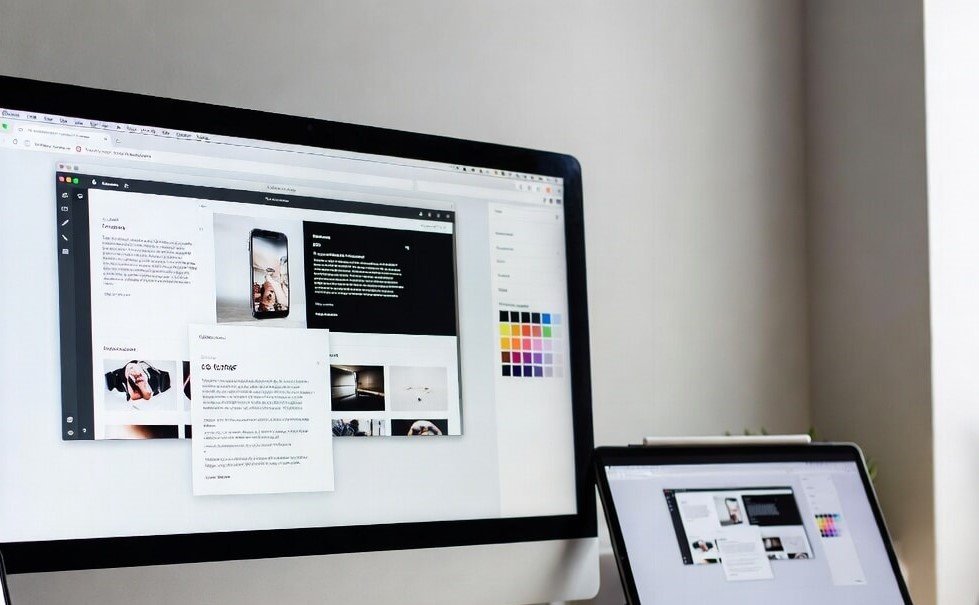
Ready to apply these ideas? Here’s a practical step-by-step.
● Step 1: Audit your current site. Check navigation, color scheme, white space. Identify clutter or confusing areas.
● Step 2: Research your audience. Use tools to understand behaviors, preferences. What evokes trust for them?
● Step 3: Choose principles. Pick 3-5, like visual hierarchy, Von Restorff effect, color psychology.
● Step 4: Redesign elements. Update homepage with better hierarchy, add standout calls to action.
● Step 5: Add interactive features. Include progress bars for forms per Zeigarnik effect.
● Step 6: Test usability. Run user sessions, track engagement.
● Step 7: Optimize and launch. Measure improvements in behavior, refine.
This builds effective web design that influences positively.
How Does Digital Marketing Tie into Web Design Psychology?
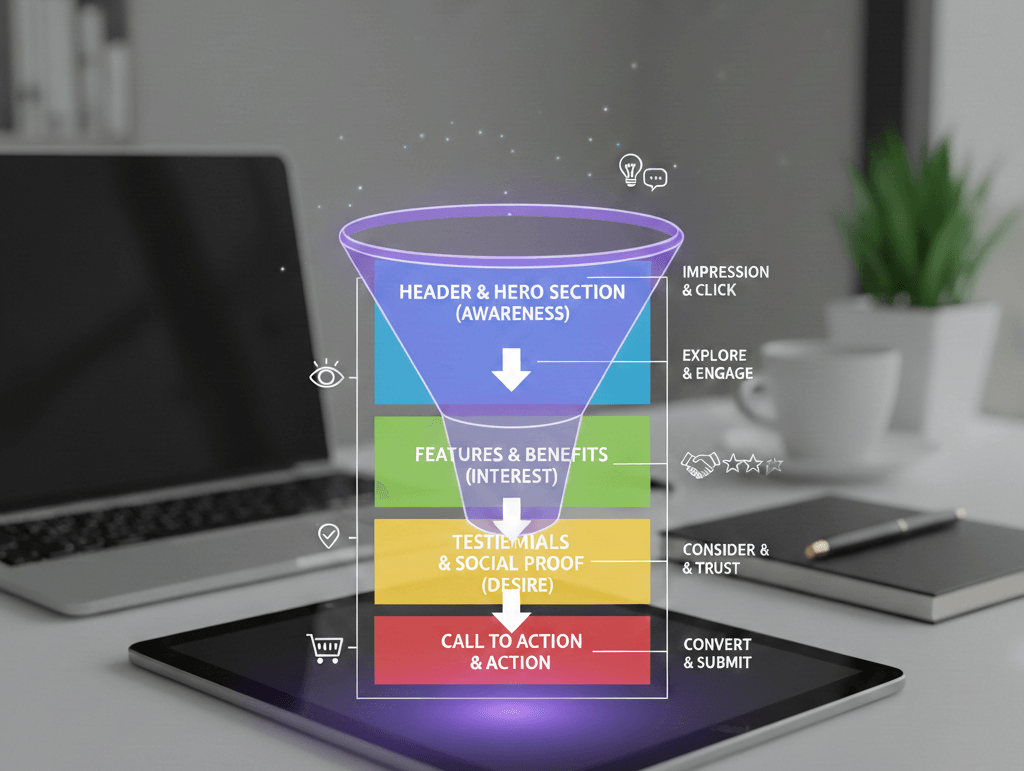
Digital marketing ties into web design psychology by amplifying user engagement through targeted content and ads. Optimized sites convert better. We integrate both for full strategies.
For example, landing pages use principles to support campaigns. This funnels traffic to conversions.
Web development ensures smooth implementation. (For more on starting web development, see our guide here.)
What Role Does Social Proof Play in Influencing Users?
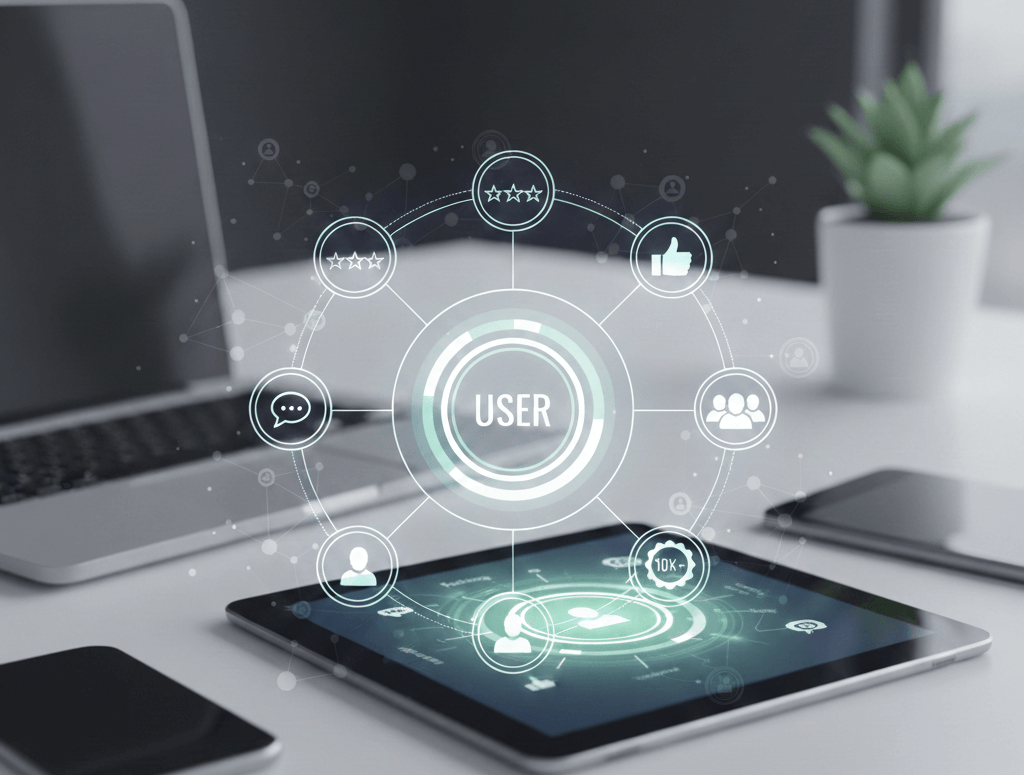
Social proof plays a powerful role in influencing users by showcasing the positive experiences of others, which quickly builds trust and credibility-after all, people are far more likely to take action when they see that real customers, entrepreneurs, or professionals have already succeeded with your product or service. Testimonials, client reviews, case studies, ratings, or even user counts and logos become key tools that encourage conversions, reduce hesitation, and reassure potential visitors that they’re making a smart, low-risk choice.
We include them strategically in every project, placing them thoughtfully near calls to action-such as right above “Get Started” buttons, checkout flows, or contact forms-to leverage the powerful human tendency to follow the crowd (social proof psychology at its core). This not only boosts perceived credibility for skeptical first-time visitors but also creates an emotional nudge that turns browsers into buyers, leading to higher engagement, lower bounce rates, and stronger overall conversions for business-oriented websites and apps.
How to Avoid the Paradox of Choice in Site Design?
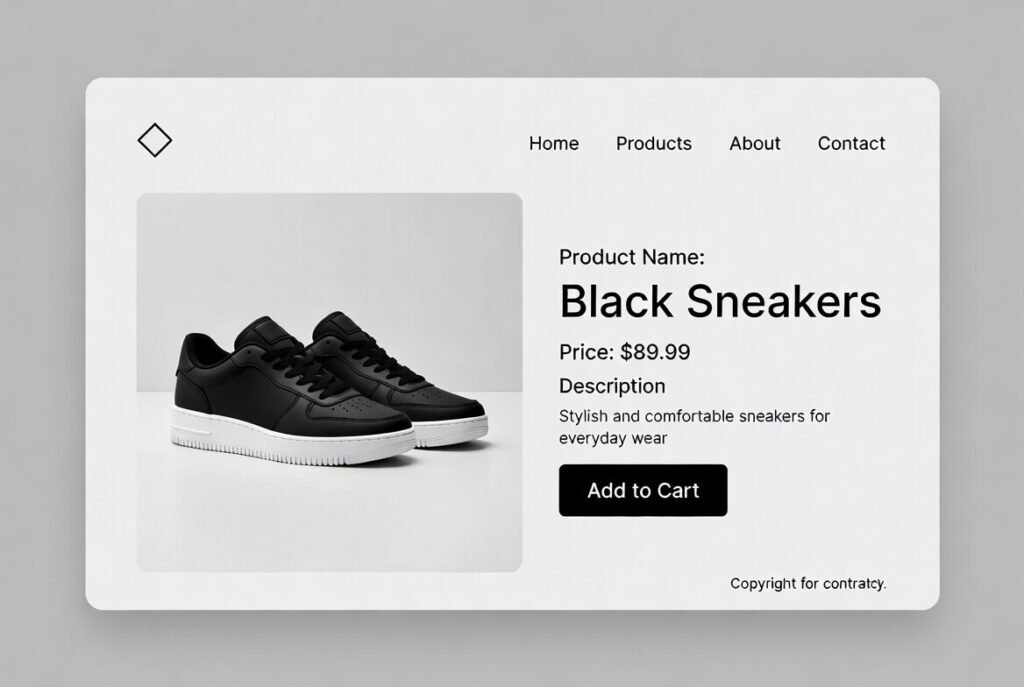
To avoid the paradox of choice in website design, we deliberately limit options on menus, homepages, and key landing pages-typically offering just 3-5 clear, high-priority paths or calls to action-so users aren’t overwhelmed by too many decisions at once. By streamlining navigation and focusing attention on the most valuable routes (like “Explore Services,” “See Pricing,” “Contact Us,” or “Get Started”), we make the experience faster, more intuitive, and far less mentally taxing. The result is significantly reduced decision fatigue, smoother user flows, lower bounce rates, and higher overall satisfaction-turning hesitant visitors into confident, engaged users who are more likely to convert.
What Are the Benefits of Responsive Web Design?
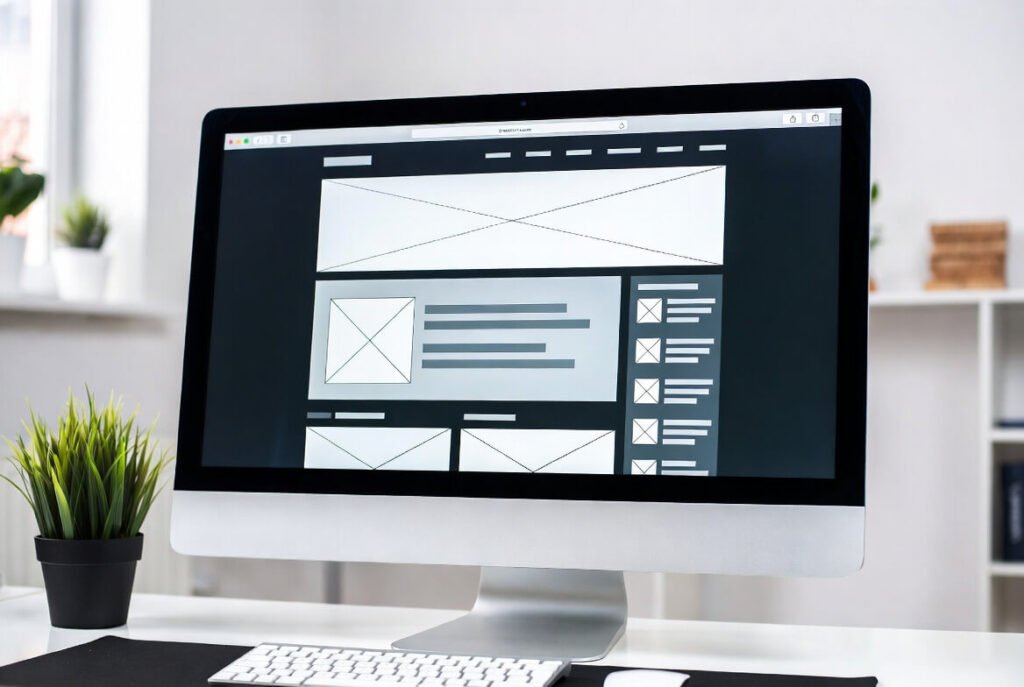
Responsive web design delivers key benefits that modern businesses can’t afford to ignore: it ensures better accessibility across all devices-from desktops and laptops to tablets and smartphones-by automatically adapting layouts, fonts, images, and navigation to fit any screen size seamlessly. This not only provides a consistent, frustration-free user experience no matter how visitors arrive, but also boosts SEO significantly, as Google prioritizes mobile-friendly sites in rankings and rewards responsive designs with better crawlability and faster indexing.
We prioritize responsive design in every project because today’s users expect instant, polished performance on whatever device they’re using-whether at home, on the go, or in a meeting-and when sites deliver that flexibility, engagement rises, bounce rates drop, time on page increases, and conversions improve as visitors feel valued and understood.
How Can Web Design Agencies Help with These Principles?
Web design agencies like Suncode Miami help by applying these principles expertly. With 10+ years, we create sites that elevate your presence. Contact us for tailored solutions.
We funnel insights into marketing services. (Learn basics in our post on what web design is about.)
FAQ
What is the psychology of web design?
It’s applying psychological principles to influence user behavior for effective sites.
How does psychology in web design improve user engagement?
By using elements that resonate, like visual hierarchy and color schemes.
What psychological principle helps with standout elements?
The Von Restorff effect makes unique items memorable.
Why use the Zeigarnik effect in forms?
It motivates completion by highlighting unfinished tasks.
How important is color psychology in site design?
Very-it evokes emotions and guides actions.
What is serial position effect in navigation?
It emphasizes first and last items for better recall.
How to guide users with visual elements?
Through hierarchy and white space for focus.
What is the importance of user research?
It uncovers behaviors for intuitive designs.
How does human psychology affect web pages?
It shapes how visitors interact and decide.
What are web design elements for better usability?
Navigation, interactive elements, and clean layouts.
For more on trends, check our 2026 web design guide and dark mode inspiration.
If you’re ready to apply these to your site, fill out our form. Let’s build something great.

