

Ethical web design-sometimes called web design ethics – focuses on creating digital experiences that respect users, support their well-being, and avoid manipulative tactics. Instead of prioritizing short-term conversions at any cost, ethical design combines user-centered thinking, transparency, and responsible UX practices to build long-term trust.
At Suncode Miami, we apply these principles to every project we develop. Our goal is to create websites that not only perform well but also reflect positive digital values such as inclusivity, accessibility, and transparency.
Business owners and entrepreneurs need websites that drive growth while maintaining credibility. Ethical design helps achieve exactly that-supporting user experience while building sustainable relationships with your audience.
Let’s explore how ethical web design works and why it matters.
Key Points / Quick Summary
• Ethical web design focuses on building digital products that respect user autonomy, privacy, and informed decision-making.
• Core principles include transparency, accessibility, inclusivity, usability, and sustainability.
• Avoiding manipulative techniques like dark patterns helps maintain trust and supports compliance with regulations such as GDPR and CCPA.
• Ethical design should be integrated throughout the design process-from research and planning to development and testing.
• Businesses that prioritize ethical UX often see stronger brand loyalty, better engagement, and more meaningful conversions.
What Is Web Design Ethics?
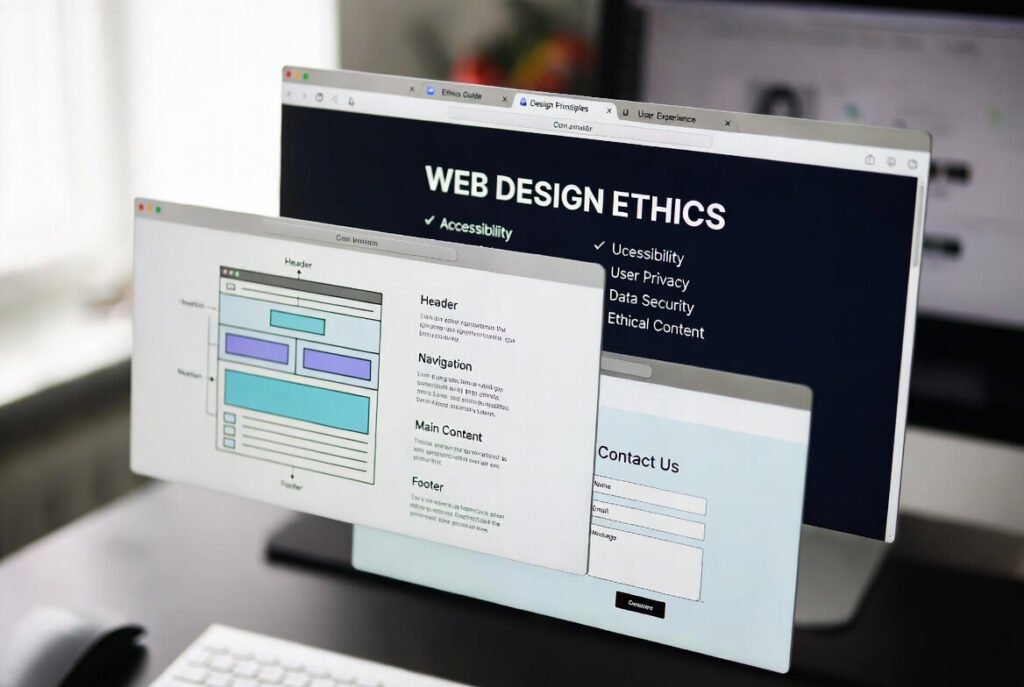
Web design ethics refers to making design decisions that prioritize fairness, respect, and usability for users. Rather than focusing only on aesthetics or conversion tactics, ethical design considers the impact that digital interfaces have on users’ choices, privacy, and overall experience.
For example, ethical UX design ensures that users can clearly understand what actions they are taking-such as subscribing to a service or sharing personal data-without being misled or pressured.
We see this as essential for business professionals seeking reliable marketing strategies. When we develop sites at Suncode Miami, ethics in web design guide every step, from initial concepts to launch. This approach builds topical authority and aligns with user tasks, such as learning about services without feeling pressured.
In today’s digital environment, trust is one of the most valuable assets a brand can build. Manipulative design may produce short-term results, but it can quickly damage credibility. Ethical web design creates sustainable experiences that benefit both users and businesses.
Why Prioritize Ethics in UX Design?
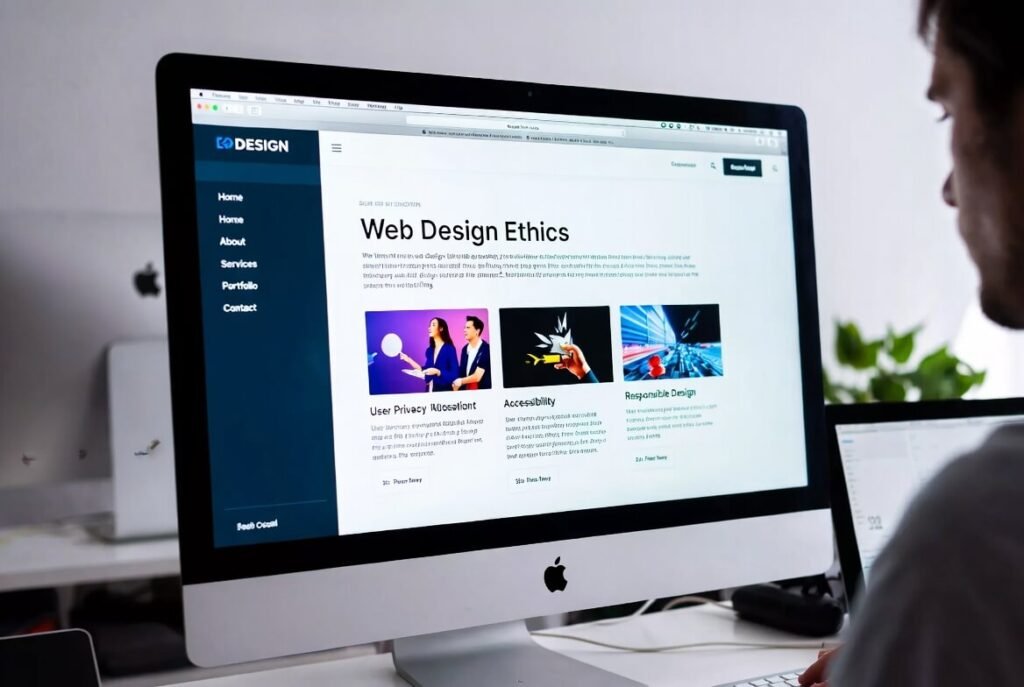
Prioritizing ethics in UX design helps ensure that digital experiences respect user rights while encouraging positive outcomes. Instead of manipulating users into actions, ethical UX focuses on clear communication, informed decisions, and fair interactions.
For businesses, this approach leads to stronger long-term relationships with customers. When users feel respected and confident while navigating a website, they are far more likely to engage with the brand.
Ethical considerations such as privacy protection, accessibility, and security also strengthen brand reputation. High-quality websites increasingly incorporate these elements because they improve both usability and credibility.
One practical starting point is conducting an ethical UX audit. This process reviews your website for issues such as unclear consent notices, confusing navigation, or inaccessible features. Addressing these problems helps create a more inclusive and trustworthy digital experience.
What Are the Core Principles of Ethical Web Design?
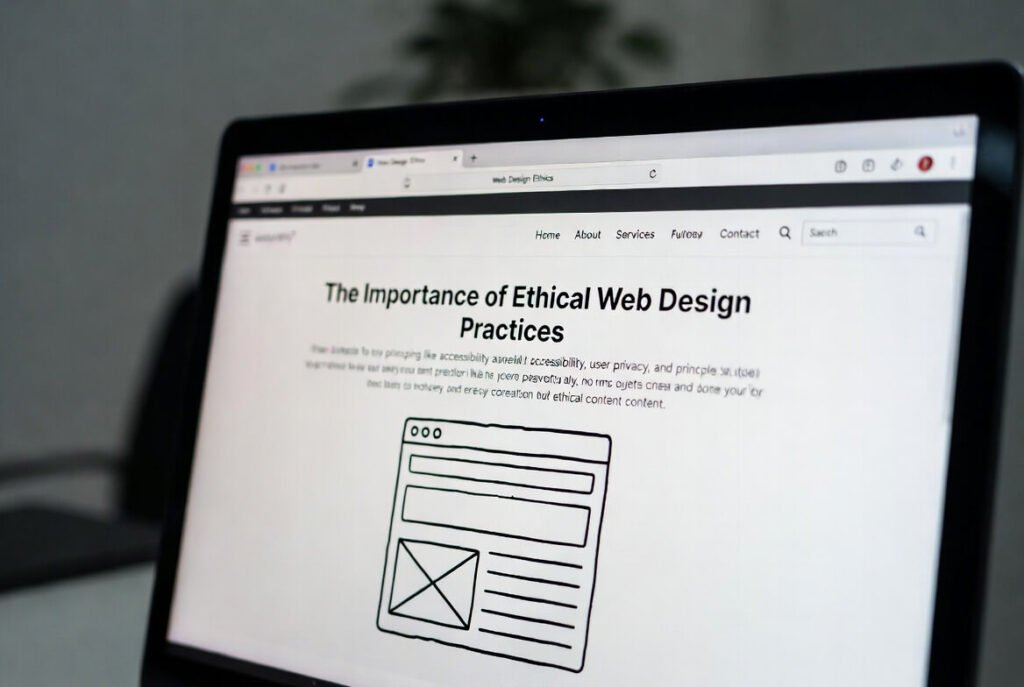
Ethical web design is guided by several core principles that shape responsible digital experiences.
Transparency
Transparency means communicating clearly with users about how the website works. This includes explaining how data is collected, how subscriptions function, and what actions users are taking.
Respect for User Privacy
Ethical design prioritizes responsible data practices. Websites should collect only the information necessary to deliver value and always request clear user consent.
Accessibility and Inclusivity
Accessible design ensures that websites are usable by people with different abilities. Following standards like WCAG (Web Content Accessibility Guidelines) helps designers create experiences that work with assistive technologies.
Avoiding Manipulative Design
Ethical designers avoid techniques that push users into unwanted actions. Instead of using deceptive tactics, they design interfaces that support user autonomy and informed choices.
Sustainability
Ethical design also considers the environmental and social impact of digital products. Efficient code, optimized media, and responsible hosting choices can reduce the ecological footprint of websites.
Together, these principles help create a healthier and more responsible digital ecosystem.
How Do Dark Patterns Undermine Ethical UX?

Dark patterns are design tactics that manipulate users into actions they did not intend to take. These patterns prioritize short-term business goals over user well-being.
Common examples include:
• Hidden fees that appear late in the checkout process
• Pre-checked subscription boxes
• Confusing cancellation processes
• Misleading button labels
One well-known example is the “roach motel” pattern, where it is easy to sign up for a service but difficult to cancel it.
Ethical UX design avoids these tactics entirely. Instead, it ensures that users can easily understand their options and control their decisions.
Websites that eliminate dark patterns tend to build stronger trust and maintain better long-term customer relationships.
Learn about Dark Web Design here!
What Role Does Accessibility Play in Ethical Design?
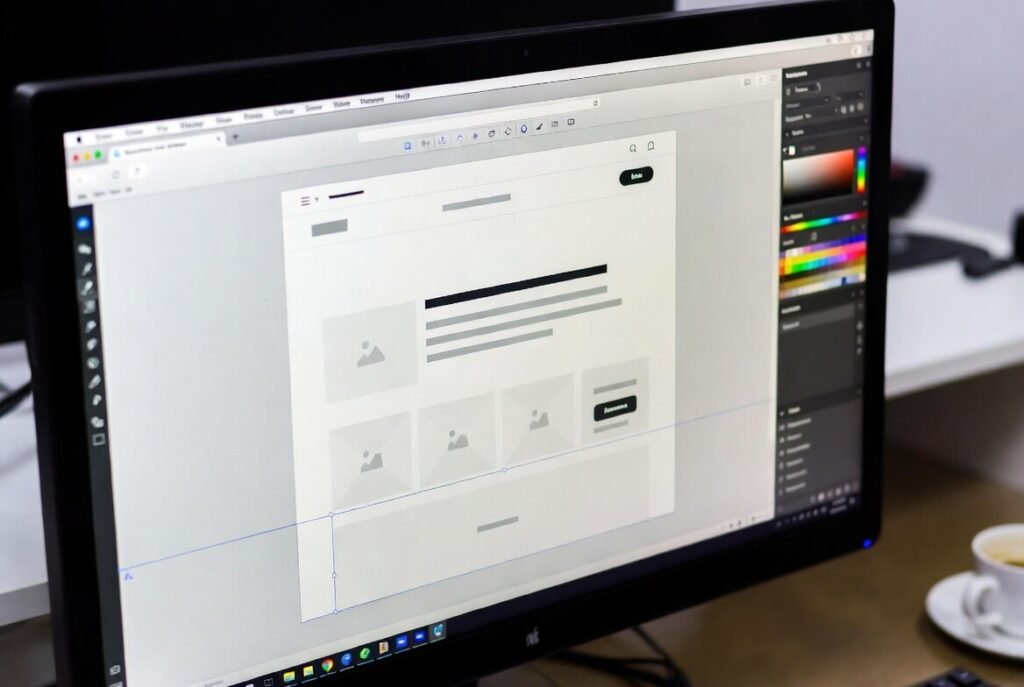
Accessibility plays a central role in ethical design by ensuring digital products are usable by people with disabilities, promoting inclusivity. It aligns with web accessibility standards like WCAG, making sure everyone can interact with digital products regardless of ability. Without it, design excludes key audiences.
Designing with accessibility in mind means implementing features such as:
• Alternative text for images
• Proper heading structures
• Sufficient color contrast
• Keyboard-friendly navigation
• Captions for audio and video content
At Suncode Miami, accessibility is built into our design process from the beginning. Rather than treating accessibility as an afterthought, we integrate it directly into the structure of every website we develop.
Inclusive design benefits everyone-not only users with disabilities. It improves usability, readability, and overall experience for all visitors.
How Can Transparency Build Trust in Web Design?
Transparency plays a critical role in building trust between users and digital platforms. When websites clearly communicate how data is used and what users can expect, they create a more comfortable and reliable experience.
Transparent design includes elements such as:
• Clear privacy policies
• Easy-to-understand terms of service
• Visible consent options for data collection
• Honest communication about pricing or subscriptions
Users are more likely to engage with brands that provide clear and straightforward information. When businesses respect user autonomy, they strengthen both trust and credibility.
What Are Ethical Considerations for User Privacy?
User privacy is one of the most important aspects of ethical web design. Responsible privacy practices involve minimizing data collection and ensuring that users fully understand how their information will be used.
Key principles include:
• Collecting only the data necessary to provide services
• Requesting clear and informed consent
• Protecting data through secure systems
• Allowing users to access or delete their personal information
Regulations such as GDPR and CCPA have reinforced the importance of privacy protections. However, ethical privacy practices go beyond legal compliance-they demonstrate genuine respect for users.
Strong privacy practices also help businesses build trust with customers who may be cautious about sharing personal information online.
How to Implement Ethical Principles in Your Design Process?
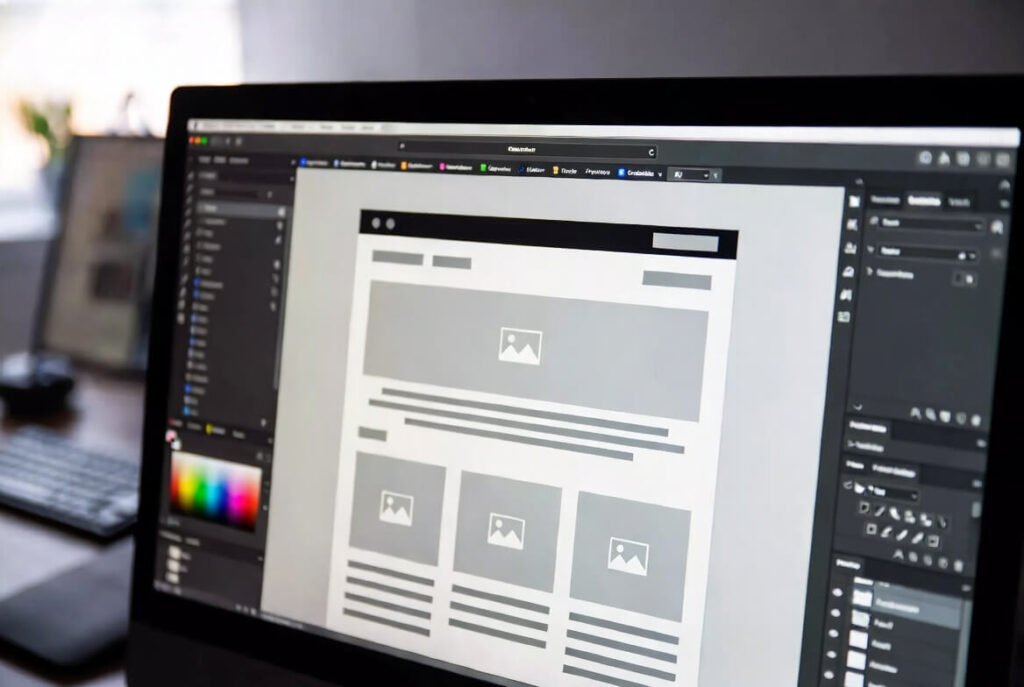
Implementing ethical web design requires integrating responsible practices into every stage of the design and development process.
At Suncode Miami, our process typically includes the following steps:
1. Research and Planning
Understanding user needs is the foundation of ethical design. During this stage, we identify potential ethical concerns such as accessibility barriers or unclear data practices.
2. Design Phase
Designers create wireframes and layouts that prioritize usability, clarity, and inclusivity. Interfaces are structured to guide users without manipulating them.
3. Development and Testing
During development, we test websites for accessibility, usability, and potential dark patterns. User testing helps ensure that real visitors can navigate the site comfortably.
4. Launch and Continuous Improvement
Ethical design does not end at launch. Regular audits help maintain transparency, accessibility, and security as websites evolve.
This structured approach ensures that ethical principles remain part of the entire design lifecycle.
Step-by-Step Guide to Ethical Web Design
1 – Research and Planning: Gather user insights to understand intents. Extract entities like accessibility needs. Plan around ethical data use.
2 – Design Phase: Create wireframes with inclusive design in mind. Prioritize user experience over tricks. Use synonyms like “fair design” to vary language.
3 – Development and Testing: Build with ethical development tools. Test for dark patterns and web accessibility. Involve users for feedback.
4 – Launch and Maintenance: Go live with transparent notifications. Monitor for issues, updating to minimize environmental impact. Track positive user experience metrics.
This process helps avoid cannibalization with existing content. For more on starting development, check our guide.
What Are Examples of Ethical Design in Practice?

Several well-known companies demonstrate ethical design principles in action.
For example, Ecosia, a search engine that uses its revenue to plant trees, emphasizes transparency by openly sharing how profits support environmental initiatives.
Similarly, Apple has invested heavily in accessibility features across its products, helping users with disabilities interact more easily with technology.
These companies show how ethical design can support both social responsibility and strong brand reputation.
How Does Ethical Design Impact Business Success?
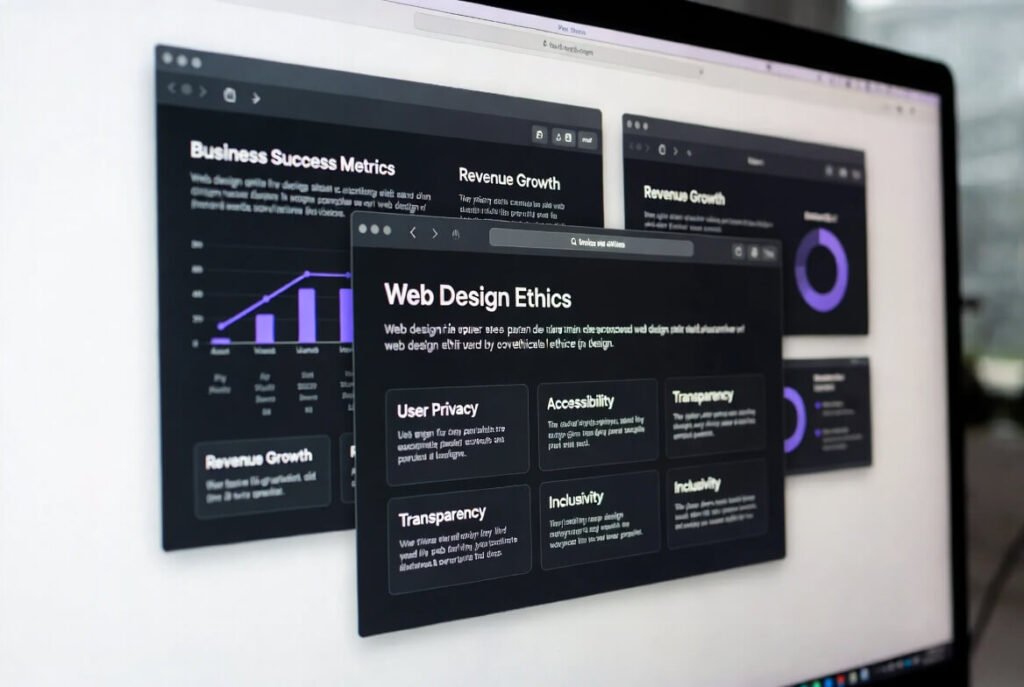
Ethical web design can significantly influence business performance. When users trust a website and feel respected, they are more likely to engage with the brand and return in the future.
Benefits of ethical design include:
• Increased customer trust
• Higher user satisfaction
• Stronger brand reputation
• Better long-term engagement
• Sustainable conversion growth
Businesses that prioritize ethical UX often develop deeper relationships with their audiences, which leads to more consistent and meaningful conversions.
What Is the Future of Ethics in Web Design?
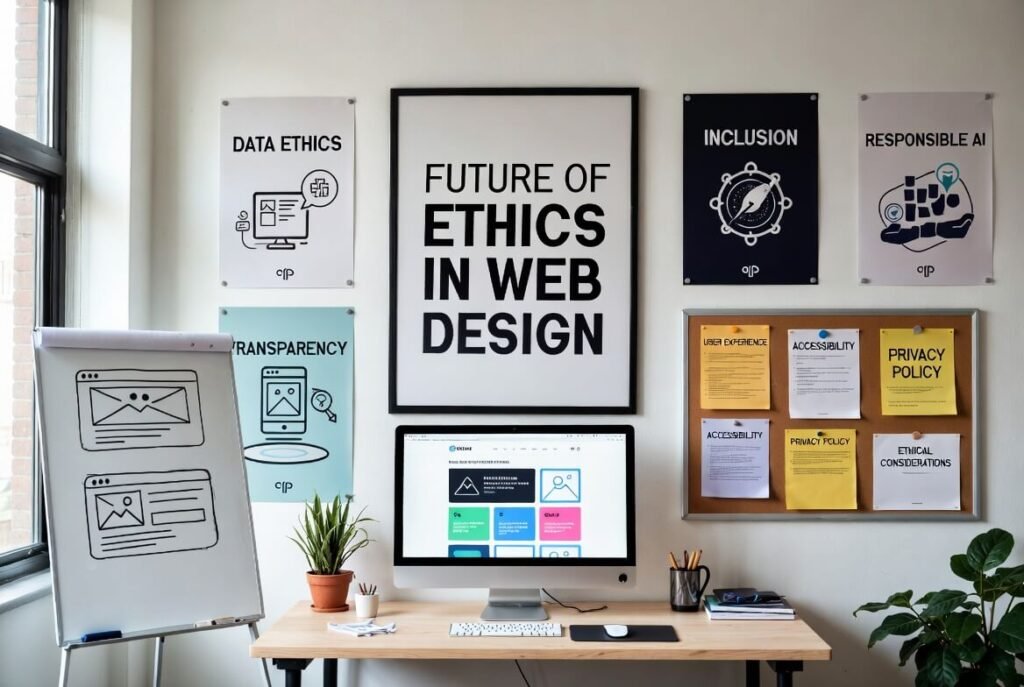
The future of web design ethics will likely involve greater attention to AI ethics, privacy protections, and sustainable digital practices.
As technology evolves, designers will need to consider how emerging tools-such as artificial intelligence and personalization algorithms-affect user autonomy and transparency.
At the same time, regulations around data protection and accessibility will continue to grow, encouraging businesses to adopt more responsible digital practices.
Organizations that embrace ethical design today will be better prepared for this evolving digital landscape.
For more in-depth insights about the future, explore our post here.
FAQ Section
What is ethical UX design?
Ethical UX design focuses on creating digital experiences that respect users’ rights, promote transparency, and avoid manipulation. It prioritizes user well-being while ensuring interfaces remain clear, inclusive, and easy to navigate.
Why should businesses avoid dark patterns?
Dark patterns manipulate users into actions they might not otherwise choose, such as hidden subscriptions or misleading buttons. Avoiding these tactics helps businesses build trust and maintain a positive reputation.
How does accessibility relate to ethical design?
Accessibility ensures that websites are usable by people with different abilities, including those who rely on assistive technologies. Following standards such as WCAG helps designers create inclusive digital experiences for all users.
What role does privacy play in ethical web design?
Privacy is central to ethical design because it protects users’ personal information and autonomy. Ethical websites clearly communicate how data is collected and give users control over their information.
How can businesses start implementing ethical design?
Businesses can begin by auditing their websites for accessibility issues, unclear privacy practices, or manipulative design patterns. Integrating ethical guidelines into the design and development process helps create more responsible digital experiences.
If you’re ready to elevate your site with ethical practices, submit our form for a consultation. We specialize in web design and marketing services tailored for business owners.

