
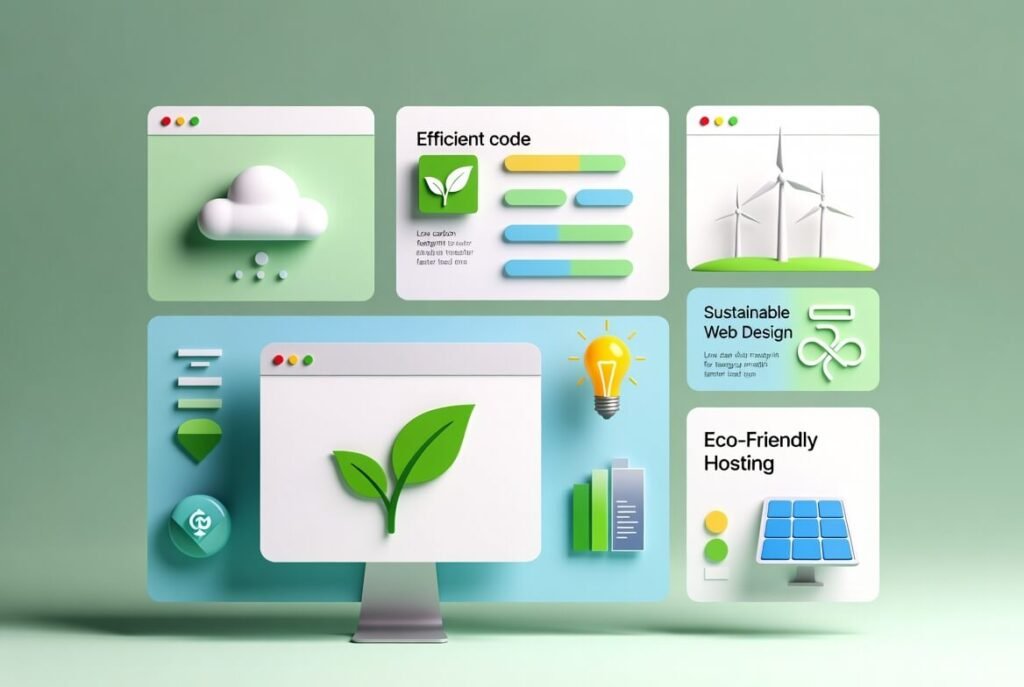
Sustainable web design practices focus on building websites that cut down on energy use and carbon emissions while keeping things user-friendly and efficient. These methods combine smart design choices with technical tweaks to make the digital world greener. We at Suncode Miami have put these ideas into action for years, helping businesses create sites that perform well and respect the planet.
Over a decade in the web design game has shown us that sustainability isn’t just a buzzword. It makes real sense for business owners who want sites that load fast, rank better, and attract eco-conscious clients. Think about it: every page view uses energy, so why not make yours as light as possible? This guide walks you through the basics and beyond so you can start applying these principles right away.
Key Points / Quick Summary
• Sustainable web design reduces your digital carbon footprint by optimizing file sizes and choosing green hosting providers.
• It improves performance, like faster load times, which boosts user experience and SEO.
• Key practices include minimalist design, efficient coding, and using renewable energy sources for servers.
• Tools like Ecograder help measure your site’s environmental impact.
• Benefits go beyond the environment-they save costs and align with modern business practices.
What Is Sustainable Web Design?

Sustainable web design is all about creating digital products that minimize their environmental impact. It puts people and the planet first by focusing on efficiency in every step of web development. We see it as a way to build sites that last without draining resources.
Here’s why it matters. The internet uses a ton of energy. Data centers alone account for about 1-2% of global electricity. Every email, search, or page load adds to carbon emissions. Sustainable practices help cut that down. For example, optimizing images can significantly reduce file sizes, leading to less energy consumption on servers and devices.
We recommend starting with the basics of sustainable web design. Look at your current site. Check its carbon footprint with free tools. Then, plan changes that fit your business. This approach lowers emissions and enhances user experience. Faster sites mean happier visitors, and that’s good for conversions like form submissions.
Why Does Sustainability Matter in Today’s Digital Landscape?
Sustainability plays a big role in web design because the digital world has a huge environmental footprint. Websites contribute to carbon emissions through data transfer and server power. Adopting sustainable web design practices helps reduce that impact while keeping your site competitive.
Let’s look at it this way. More people care about eco-friendly brands. Business professionals and entrepreneurs want partners who align with sustainable practices. If your site runs on green web hosting, it shows commitment. Plus, efficient sites load quicker, which improves performance and search rankings.
The environmental impact of websites is real. Think about energy efficiency in data centers. Poorly optimized web pages waste power. By incorporating sustainable design principles, you create a more sustainable digital landscape. It benefits everyone. We at Suncode Miami use these ideas to help clients lower their digital footprint and stand out.
Next steps: Assess your site’s current state. Use tools to measure emissions. Then, make small changes that add up.
Read What is Web design About!
What Are the Principles of Sustainable Web Design?

Principles of sustainable web design guide how we build eco-friendly websites. They include efficiency, minimalism, and responsibility. These ideas come from groups like the Green Web Foundation and the Sustainable Web Manifesto.
First, efficiency means using less energy. Optimize code to minimize HTTP requests. Choose coding practices that load only what’s needed. Second, minimalism keeps designs simple. Avoid heavy graphics. Use responsive design to work on all devices without extra versions.
Responsibility covers choosing green hosting providers. Look for ones using renewable energy sources. Also, consider the full lifecycle of your digital product. From design to maintenance, aim to reduce carbon emissions.
Sustainable web design principles also tie into UX design. Make navigation clear to cut down on unnecessary clicks. This saves energy and improves user experience. We find that these principles make sites more accessible too.
Examples of sustainable web design show real results. Sites with clean code load 30% faster. That means less energy use per visit.
How Does Sustainable Web Design Reduce Your Website’s Carbon Footprint?
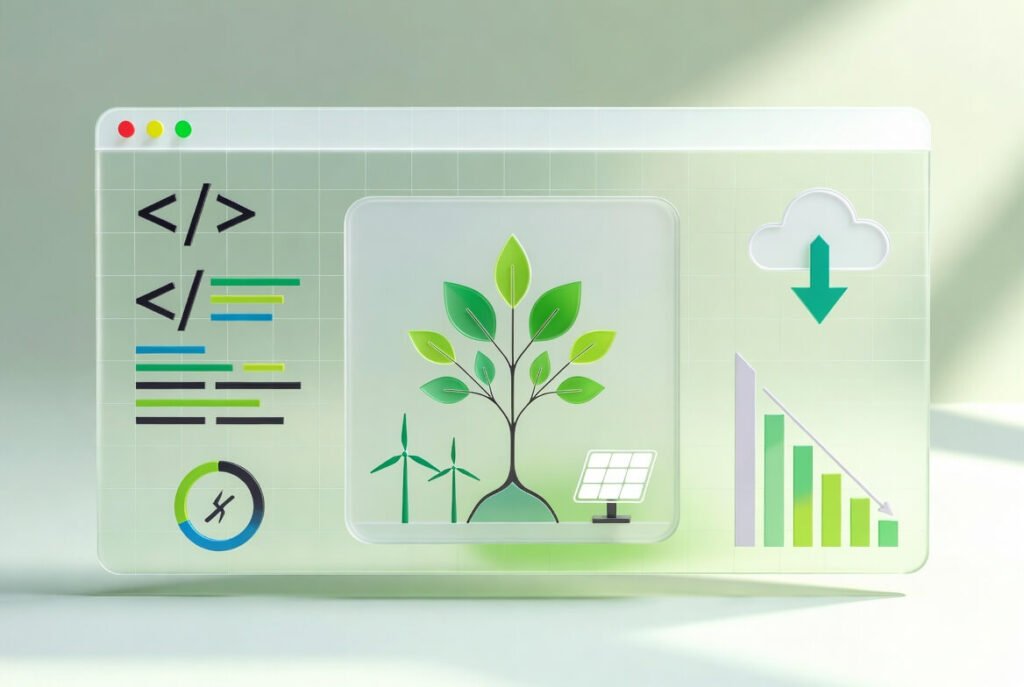
Sustainable web design reduces your website’s carbon footprint by cutting energy consumption at every level. From server hosting to page load times, small tweaks add up to big savings in emissions.
Here’s why. Every time someone visits your site, data travels from servers to their device. That uses power. By optimizing media files, you shrink file sizes. Use formats like WebP for images. This can drop energy use by half.
Choosing green web hosting helps too. Providers like those verified by the Green Web Foundation use sustainable energy. They offset emissions with renewables. We suggest checking their directory for options.
Efficient coding practices play a part. Minify CSS and JavaScript. Enable caching so repeat visitors load less data. These steps lower the environmental impact of your website.
In the end, adopting sustainable web design not only cuts emissions but also boosts site speed. Faster sites mean better engagement, which funnels users toward conversions.
What Are the Benefits of Sustainable Web Design?
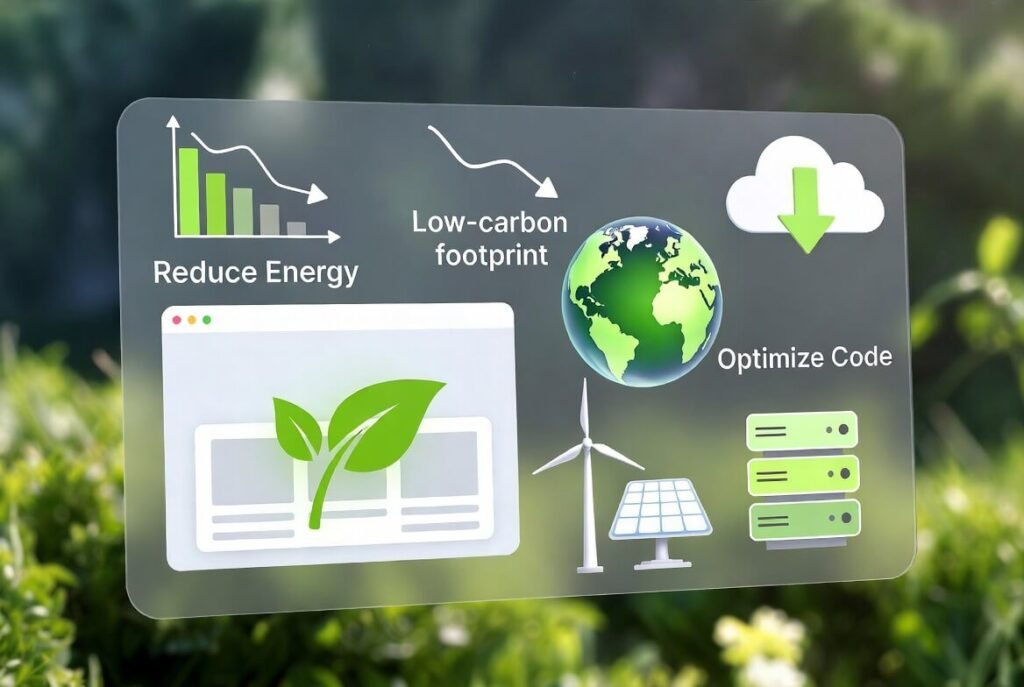
Benefits of sustainable web design go beyond the environment. They include better performance, cost savings, and stronger brand appeal. For business owners, this means a site that works harder for you.
First, it improves performance. Optimized sites have quicker page load times. Users stick around longer, reducing bounce rates. Search engines like that too, so your rankings climb.
Cost-wise, less energy consumption means lower hosting bills over time. Green hosting providers often offer efficient servers that run cooler and cheaper.
Brand-wise, sustainability attracts clients. Entrepreneurs value eco-friendly practices. It shows you’re forward-thinking. We at Suncode Miami have seen clients get more form submissions from green-aligned audiences.
Eco-friendly web design practices also future-proof your site. As regulations tighten on emissions, you’re ahead. Plus, it aligns with sustainable business practices in digital marketing.
Overall, the future of sustainable web design looks bright. It creates a sustainable future for the web.
If you’re interested in the future, read about Will Web Development Die?
What Role Does Green Hosting Play in Sustainable Web Design?
Green hosting is key in sustainable web design. It powers your site with renewable energy sources, cutting down on fossil fuels. This reduces the carbon footprint from data centers.
Data centers use massive energy. Traditional ones rely on coal or gas. Green web hosting switches to solar or wind. Look for hosting providers with certifications from the Green Web Foundation.
Adopting green hosting fits into broader sustainable practices. It complements efficient code and minimalist design. Your site runs cleaner from the start.
We recommend researching options. Some providers offset emissions fully. This aspect of sustainable web design makes a real difference in environmental impact.
Next steps: Check if your current web hosting is green. If not, switch to one that is.
How Can You Optimize Images and Media for Eco-Friendly Web Design?

To optimize images and media, start by compressing files. Use tools like TinyPNG to shrink sizes without losing quality. This cuts energy consumption on loads.
Choose the right formats. WebP or AVIF is efficient. They load faster than JPEGs. For videos, avoid autoplay. Use lazy loading so they only play when viewed.
Media files are big energy users. Minimize their number. If possible, use text alternatives. This eco-friendly practice reduces load time and emissions.
In web development, implement these in code. Add attributes like loading=”lazy.” It helps create more sustainable sites.
Designers can use sustainable design principles here. Pick low-impact visuals. It all adds up to less energy.
What Efficient Coding Practices Support Sustainable Web Development?
Efficient coding practices include minifying code. Remove extra spaces and comments. This makes files smaller, reducing data transfer.
Use modular code. Load only needed parts. In JavaScript, defer non-essential scripts. This minimizes emission from processing.
Web developers should audit dependencies. Remove unused libraries. Clean code means faster execution, and lower energy use.
Sustainable web development also involves semantic HTML. It improves accessibility and efficiency. Search engines parse it better too.
Implementing sustainable coding keeps sites light. It’s a core part of eco-friendly web design.
How Does Minimalist Design Contribute to Sustainability in Web Design?

Minimalist design uses fewer elements. This leads to smaller file sizes and quicker loads. Less clutter means less energy to render pages.
Focus on essential content. Avoid heavy animations. Use system fonts instead of custom ones. This reduces downloads.
In UX design, minimalism improves navigation. Users find info fast, cutting clicks and energy.
Sustainability in web design benefits from this. Simpler sites are easier to maintain, reducing long-term impact.
Web designers love it because it looks modern. Plus, it aligns with sustainable digital goals.
What Are Examples of Sustainable Web Design in Action?
Examples of sustainable web design include sites from the Green Web Foundation. They use clean code and green hosting.
Another is Mightybytes’ Ecograder tool. Their site practices what they preach with optimized performance.
Businesses like WP Engine promote green practices. Their blogs show how to implement them.
Adopting sustainable web design can transform your site. We’ve helped clients cut emissions by over 30% through tweaks.
These cases prove it works. They show how to create a more sustainable web.
How to Implement Sustainable Web Design Practices: Step-by-Step Guide
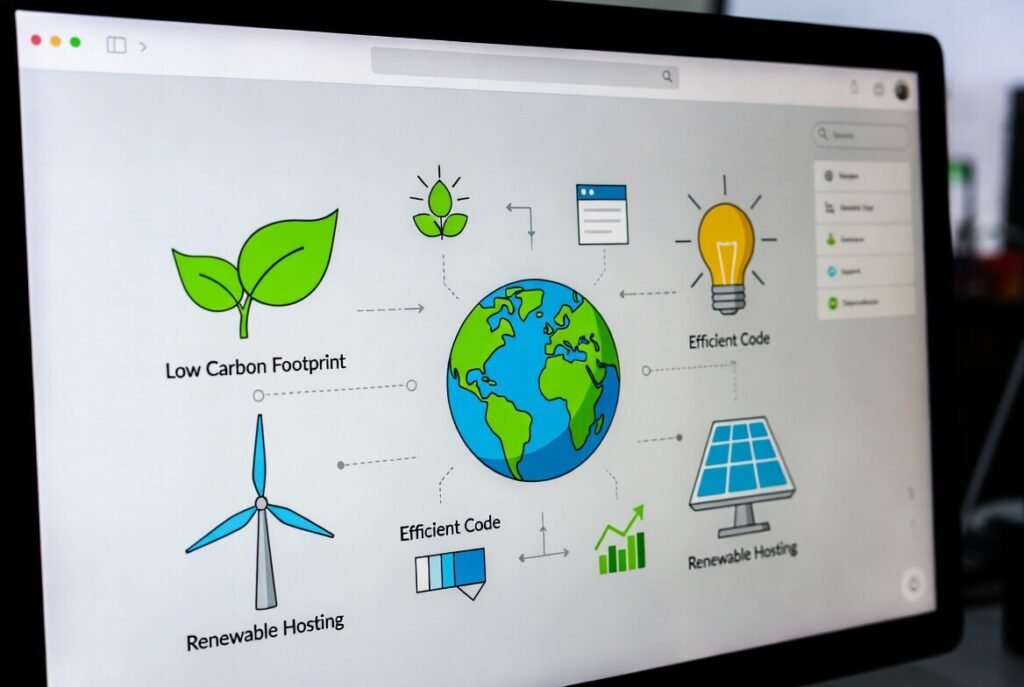
Ready to get started? Here’s a step-by-step guide to implementing sustainable web design practices.
1 – Assess your current site. Use Ecograder to check carbon footprint. Note high-energy areas like images.
2 – Choose green hosting. Switch to providers using sustainable energy. Verify with directories.
3 – Optimize media. Compress files, use lazy loading. Aim to minimize file size.
4 – Clean your code. Minify and remove unused parts. Adopt efficient coding practices.
5 – Design minimally. Use responsive design elements. Focus on user tasks.
6 – Test and measure. Check load time and emissions. Adjust as needed.
7 – Promote sustainable aspects. Tell users about your eco-friendly website.
This process helps reduce their digital carbon footprint. It also improves performance.
For more on web design basics, see our guide.
What Common Mistakes Should You Avoid in Eco-Friendly Web Design?
• One mistake is ignoring mobile optimization. Non-responsive design wastes energy on devices.
• Another is overloading with plugins. They bloat code, increasing consumption.
• Don’t skip audits. Without measuring, you can’t improve.
• Avoid non-green hosting. It undermines efforts.
• Web services should align with sustainable practices. We see many overlook this.
How Can Dark Mode Help with Sustainable Web Design?
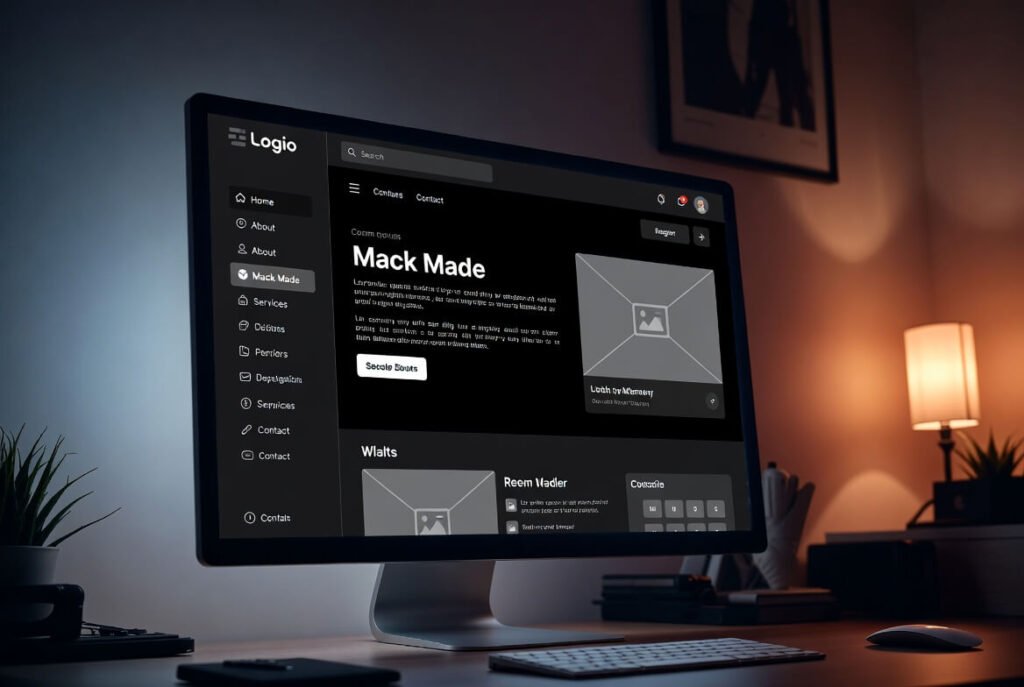
• Dark mode saves energy on OLED screens. Pixels turn off for black, using less power.
• It’s a simple add. Use media queries to switch themes.
• This ties into eco-friendly practices for a greener web.
Learn more about dark mode.
What Tools Can Help Measure Your Site’s Environmental Impact?
• Tools like Website Carbon calculate emissions per view.
• Ecograder scores sustainability.
• CO2.js estimates in code.
Use them to track progress. They promote sustainable web design.
FAQ
What is sustainable web design?
It’s designing sites to minimize environmental impact through efficient practices.
How does green web hosting work?
It uses renewable energy for servers, reducing emissions.
Can sustainable design improve my site’s SEO?
Yes, faster loads from optimization boost rankings.
What is the Sustainable Web Manifesto?
A pledge for clean, efficient web services.
How do I start adopting sustainable practices?
Assess your site, optimize media, and choose green hosting.
We hope this helps you toward sustainable web design. At Suncode Miami, we’re here to elevate your presence. Contact us for custom solutions.

