
Biophilic web design is a way of designing websites that brings elements from nature into the digital space to improve user experiences, reduce stress, and make interactions feel more natural.
In simple terms, it’s about making websites feel less artificial and more aligned with how people naturally think, see, and process information.
Key Points / Quick Summary
Biophilic design helps websites feel calmer and easier to use by introducing ideas taken from the natural world. Instead of relying only on sharp layouts and flat visuals, it uses texture, organic shapes, and color palettes inspired by real environments. This approach can reduce stress, improve focus, and create a stronger emotional connection with users. Over time, that translates into better engagement, more trust, and stronger results for a brand.
What Is Biophilic Design in Web Design?
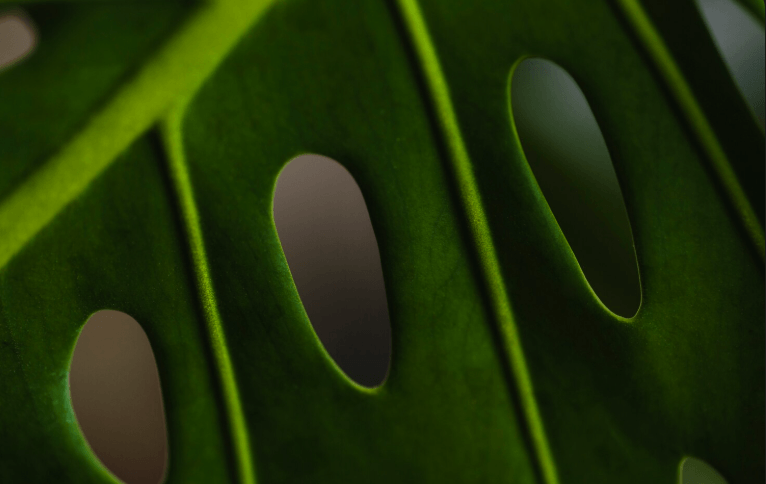
Biophilic design isn’t new. It originally comes from architecture and physical spaces, where designers started noticing that people feel better in environments that reflect nature. The same idea now applies to web design.
When we talk about biophilic design in web design, we’re really talking about bringing pieces of the natural world into digital interfaces in a way that feels intentional. That can mean using natural textures like wood grain, choosing shades of green or deep blues, or structuring a layout so it flows more like a natural landscape instead of a rigid grid.
It also includes details that are easy to overlook, like how light and shadow behave on a screen or how subtle animation can mimic natural movement. When all of this comes together, the result is a design that feels calmer, more grounded, and easier to interact with.
Learn about Flat Design vs Material Design: Key Differences
Why Does Biophilic Web Design Matter for User Experiences?
Most people don’t think about it directly, but spending hours in the digital world can be exhausting. Screens are often bright, structured, and overloaded with information. Over time, that creates friction.
This is where biophilic design can help. By incorporating natural environments into digital environments, websites can feel more balanced and less overwhelming. That shift might seem small, but it changes how users behave.
When a website feels calm and intuitive, users are more inclined to stay longer and explore. They don’t feel rushed or pressured. Instead, they move through the content at their own pace, which naturally leads to better engagement.
There’s also a cognitive side to this. Designs inspired by nature tend to support how our brains process information. That means better focus, improved cognitive function, and a smoother overall experience. In practical terms, it makes the site easier to use without the user having to think too much about it.
What Are the Benefits of Biophilic Web Design?
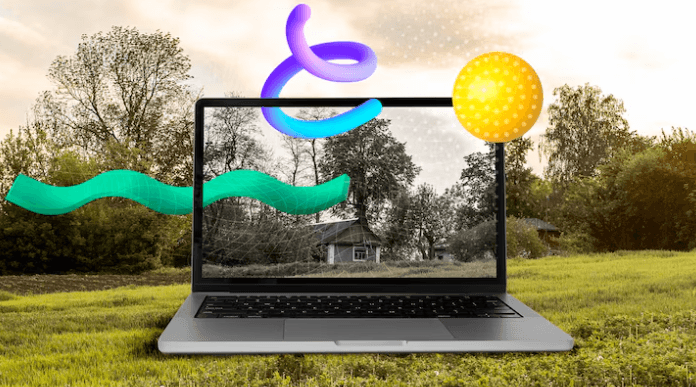
From a business perspective, the benefits of biophilic web design are very real.
One of the biggest advantages is that it helps reduce stress. When users feel more relaxed, they’re more open to engaging with the content. That alone can improve key metrics like time on site and interaction rates.
It also improves usability. A design that mimics natural patterns tends to feel more intuitive, which means users can navigate without friction. This leads to a more seamless experience overall.
There’s also a branding component. Companies that adopt this design approach often come across as more eco-friendly and environmentally aware. That matters more now than it did a few years ago, especially with users who value sustainability.
Finally, it creates differentiation. Most websites still look and feel very similar. Introducing biophilic elements helps a brand stand out in a way that feels subtle but effective.
Which Biophilic Elements Should You Use?
This is where things become practical.
If you’re thinking about applying biophilic design, it’s not about adding random “nature” visuals. It needs to feel cohesive.
Natural textures are a good place to start. Something as simple as a soft background with a wood grain feel or a subtle linen texture can add depth without overwhelming the layout. These details make the interface feel less flat and more tactile, even on a screen.
Color palettes also play a big role. Shades of green are the obvious choice, but combining them with brown tones or deep blues creates a more balanced look. Each hue should feel intentional and connected to nature’s patterns.
Organic shapes can also make a difference. Instead of strict lines and boxes, softer shapes create a flow that feels more natural. This improves adaptability and makes the design easier to follow visually.
Images matter as well. Using high-quality images of natural landscapes or environments helps reinforce that connection instantly. It gives users something familiar to relate to.
Finally, subtle animation can enhance the experience. Small movements that mimick natural behavior, like gentle transitions or light shifts, can make the interface feel more alive without becoming distracting.
Read: Dark Mode Web Design
How to Apply Biophilic Design to Your Website
If you’re starting from scratch or updating an existing site, the process should be intentional.
First, you need to understand your brand. Not every company needs to lean heavily into an eco-conscious message, but the design should still align with your identity. That’s the foundation.
Next, define your design principles. This includes your color palettes, textures, and overall visual direction. Everything should work together instead of feeling like separate pieces.
Then, start incorporating natural elements into your website gradually. You don’t need to change everything at once. Even small updates, like adjusting backgrounds or introducing organic shapes, can make a noticeable difference.
At the same time, keep usability in focus. A good design should always be easy to navigate. Biophilic design should support usability, not complicate it.
Finally, test and refine. Look at how users interact with the site. Are they staying longer? Are they engaging more? Use that data to improve the experience over time.
Does Biophilic Design Help Conversions?
Yes, but not in an obvious or aggressive way.
Biophilic design works by creating the right environment for users to feel comfortable. When that happens, trust builds naturally. And when users trust a brand, they’re more likely to take action.
It’s not about pushing conversions. It’s about removing friction and making the experience feel right. That’s what leads to better results.
Real-World Applications in Digital Environments
You’ll see this approach used a lot in industries like wellness, sustainability, and travel, where the connection to nature is already part of the brand.
But it’s not limited to those spaces. More companies in tech, SaaS, and e-commerce are starting to adopt it because it improves how people interact with digital interfaces.
That flexibility is part of what makes biophilic design so valuable. It can adapt to different industries while still maintaining its core purpose.
Common Mistakes to Avoid
One mistake we often see is overdoing it. Too many textures or heavy visuals can slow down the site and make it harder to use.
Another issue is focusing too much on aesthetics and forgetting about usability. A website still needs to be clear and functional.
Low-quality images are another problem. If the visuals don’t feel real, the whole concept loses impact.
And finally, everything needs to align with the brand. If it feels forced, users will notice.
How We Approach This at Suncode Miami
At Suncode Miami, we see biophilic design as part of a larger design philosophy, not just a trend.
Our goal is to create digital environments that feel balanced, intuitive, and aligned with real human behavior. That means combining clean layouts with natural textures, thoughtful color palettes, and subtle details that improve the overall experience.
We focus on building engaging user experiences that not only look good but also perform. Because at the end of the day, design should support business goals, not just visuals.
If you want to understand how this connects with broader strategies, you can explore more about web design here or see how development impacts business growth here: https://suncodellc.com/blog/what-website-development-can-do-for-your-confidence/
FAQ – Biophilic Web Design
What is biophilic web design in simple terms?
It’s a way of designing websites inspired by nature to improve user experience and engagement.
Does biophilic design improve SEO?
Indirectly, yes. It improves engagement metrics like time on site and bounce rate.
Is it suitable for all industries?
Yes, but it must align with your brand and audience.
Can small businesses apply it?
Absolutely. Even simple changes like color palettes and imagery can make a difference.

