
The future of web design 2030 will be defined by AI-driven systems, sustainable UX practices, and highly adaptive interfaces that respond in real-time to user needs. Websites will no longer be static pages. They will evolve into dynamic, user-based digital experiences.
In the year 2030, businesses that adapt early will stay ahead. Those that do not will struggle to compete in a fast-changing digital environment.
Key Points / Quick Summary
• AI will automate design workflows and personalize user experience at scale
• Sustainable web design will reduce carbon footprint and energy consumption
• Interfaces will become more adaptive, immersive, and human-centric
• Accessibility and inclusive design will become non-negotiable
• Real-time data and analytics will shape every interaction
• Businesses must future-proof their websites now
What Will Web Design Look Like in 2030?
Web design by 2030 will move away from static pages toward responsive, AI-driven environments. Instead of fixed layouts, interfaces will dynamically adjust based on user behavior, device, and context.
In the early 2010s, websites followed predictable structures. Today, we already see more interactive elements, animation, and adaptive layout tools. By 2030, this evolution will accelerate.
Design will revolve around user needs. Interfaces will automatically adjust color palettes, typography, and layout to improve readability and accessibility. These changes will not be manual. They will be powered by AI and real-time analytics.
How Will AI Shape the Future of Web Design?
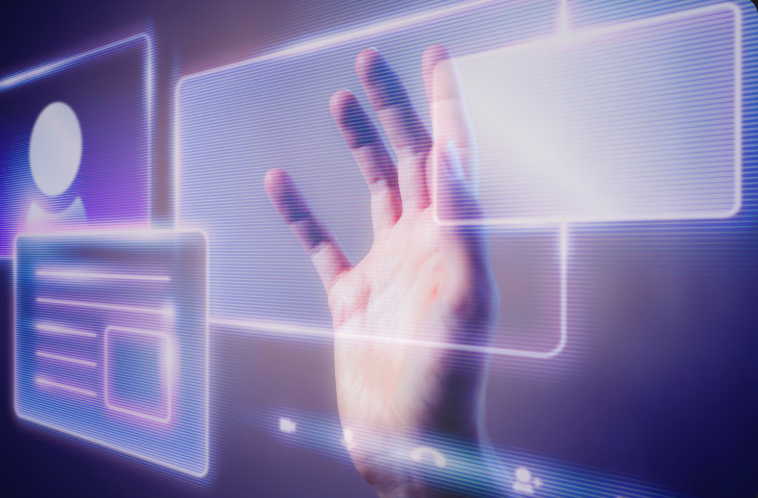
AI is already influencing web design, but its role will expand significantly by 2030.
AI-Driven Personalization
AI will enable hyper-personalization. Websites will analyze user behavior and dynamically adapt content, layout, and calls to action. This creates a seamless experience tailored to each visitor.
For example, an e-commerce site will show different product recommendations based on browsing patterns, location, and preferences. This level of personalization increases engagement and conversion rates.
Automation of Design Processes
AI will automate repetitive tasks such as layout generation, image optimization, and even interface design. Tools like Figma already include AI features, but future tools will go further.
Designers will spend less time on execution and more time on strategy. The workflow will shift toward decision-making rather than manual creation.
AI-Powered Interfaces and Chatbots
Chatbots will become more advanced, using natural language processing to interact with users in a human-like way. These systems will provide real-time support, guide navigation, and improve user experience.
Voice interfaces and voice commands will also play a larger role, especially on mobile devices and wearables. This will create more intuitive interactions across digital and physical environments.
Read: AI is everywhere in 2026
What Role Will UX and UI Play in 2030?
User Experience Becomes the Core
User experience will define the success of any website. UX design will focus on creating frictionless, intuitive interactions that adapt to user behavior.
Interfaces will be uncluttered, legible, and high-contrast to improve accessibility. This aligns with standards from organizations like World Wide Web Consortium, which promote inclusive design through WCAG guidelines.
User Interface Evolution
UI will become more flexible and responsive. Instead of fixed layouts, websites will use modular components that adjust dynamically.
Micro-interactions, cursor animations, and interactive elements will enhance engagement without overwhelming the user. The goal is to create immersive experiences that feel natural and intuitive.
Learn about Importance of User Experience in Web Design
Why Sustainability Will Be Critical in Web Design
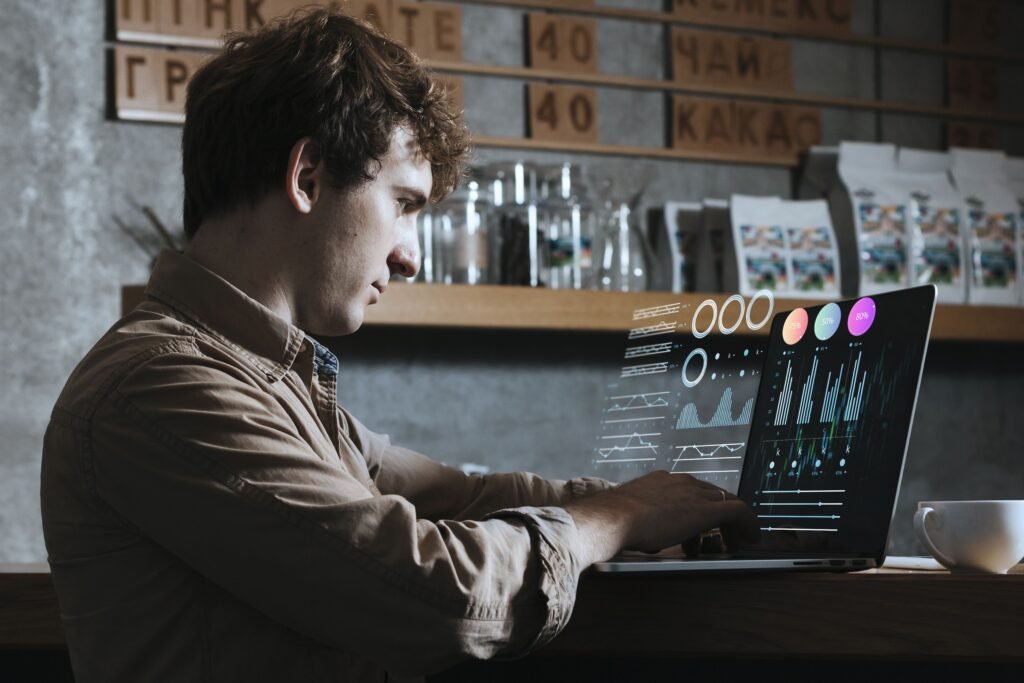
Sustainable web design will become a priority as businesses aim to reduce their carbon footprint.
Websites will be optimized to save energy by reducing data-heavy elements and improving performance. Green hosting solutions powered by renewable energy will become more common.
Design choices will focus on efficiency. For example, dark mode can reduce energy consumption on OLED screens. Lightweight design practices will improve loading times and reduce server demand.
Sustainable UX is not just about the environment. It also improves performance and user satisfaction.
How Will AR and VR Influence Web Design?
Augmented reality and virtual reality will redefine digital experiences.
AR will allow users to interact with products in real-world environments. For example, customers can visualize furniture in their homes before making a purchase.
VR will create fully immersive web environments. Users will navigate virtual spaces instead of traditional interfaces.
These technologies will bridge the gap between digital and physical experiences, creating new opportunities for engagement.
Read: Designing for Augmented Reality: Browser AR Experience
What Trends Will Define Web Design in the Coming Decade?
Several web design trends will shape the future of web design:
• AI-driven personalization and automation
• Immersive web experiences using AR and VR
• Sustainable design practices and green hosting
• Accessibility-first design aligned with WCAG
• Voice interfaces and natural language interactions
• Real-time data integration and analytics
Search engines favor websites that provide fast, accessible, and user-focused experiences. This will continue to influence SEO strategies.
Step-by-Step: How to Prepare Your Website for 2030
Step 1: Adopt AI Tools Early
Start integrating AI into your workflow. Use tools that automate design tasks and provide insights through analytics.
Step 2: Focus on User Experience
Design around the user. Prioritize readability, accessibility, and intuitive navigation.
Step 3: Optimize for Performance
Reduce energy consumption by optimizing images, code, and hosting solutions.
Step 4: Implement Scalable Systems
Use APIs and modular design systems to create flexible, scalable websites.
Step 5: Stay Updated on Trends
Follow industry updates and continuously refine your design practices.
How This Impacts Business Owners
For business owners, the future of web design is not just about aesthetics. It is about performance, user engagement, and long-term growth.
A future-proof website improves digital marketing efforts, increases conversions, and builds customer trust.
If you are planning to upgrade your website, understanding these trends can help you make better decisions. You can explore more insights here!
FAQ: Future of Web Design 2030
What will web design look like in 2030?
It will be dynamic, AI-driven, and highly personalized, focusing on user experience and accessibility.
How will AI impact web design?
AI will automate tasks, personalize content, and improve user interactions through chatbots and analytics.
Why is sustainable web design important?
It reduces energy consumption, improves performance, and aligns with environmental goals.
Will AR and VR replace traditional websites?
Not completely, but they will enhance digital experiences and create new interaction models.
How can businesses prepare for the future?
By adopting AI tools, focusing on UX, and implementing scalable, sustainable systems.
Conclusion
The future of web design 2030 will be shaped by AI, sustainable practices, and evolving user expectations. Businesses that embrace these changes will create better digital experiences and stay competitive.
At Suncode Miami, we focus on building future-ready websites that combine innovation with practical strategy. The goal is simple. Help businesses grow with confidence in a rapidly changing digital world.

