
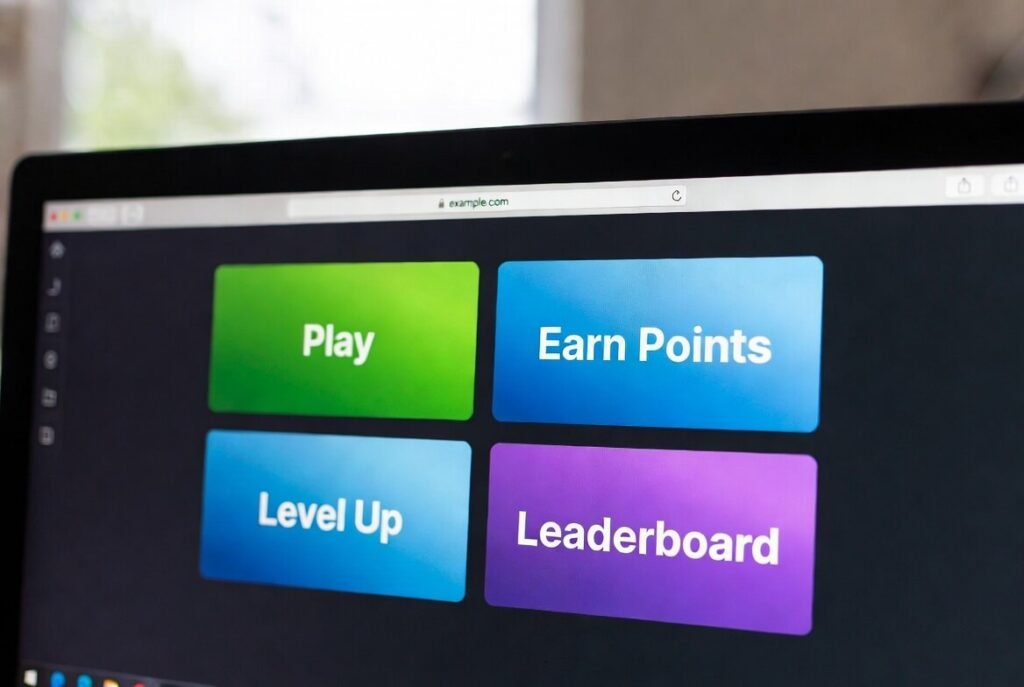
Gamification in websites turns everyday browsing into interactive journeys that keep people coming back. At Suncode Miami, we see it as a practical way for business owners and entrepreneurs to make sites more sticky without turning them into actual games. This guide walks through exactly how it works and why it fits your web design projects.
Key Points / Quick Summary
- Website gamification involves adding elements like points and badges to non-game contexts to motivate users.
- It can increase user engagement, help users complete tasks, and improve retention on your site.
- Common mechanics include progress bars, leaderboards, and quizzes that guide users toward specific actions.
- You can gamify your website with platforms and plugins that fit most website builders.
- Best practices focus on balance so the experience stays useful and does not overwhelm visitors.
- We recommend starting small and tracking engagement metrics with tools like Google Analytics.
What Is Website Gamification?
Website gamification involves taking game elements and applying them to regular websites. It is called gamification because it borrows mechanics from games but keeps the focus on real goals like signing up for a newsletter or exploring products. Gamification lies in the smart use of rewards that make users feel progress. With over ten years building high-quality web projects, we at Suncode Miami have watched how these additions change user behavior and engagement for the better.
Gamification has proven effective across many industries. It works because people naturally respond to challenges and rewards. In non-game contexts like websites, this approach helps users stay longer and interact more deeply.
How Does Gamification in Web Design Boost User Engagement?
Gamification can help your site stand out by making routine actions feel rewarding. When you add gamification to create interactive experiences, visitors start to engage more actively. For example, a simple progress bar shows how close someone is to finishing a form. This visual cue encourages users to complete tasks and keeps them motivated.
We often tell clients that gamification makes your site more engaging because it taps into basic human drives like achievement. Business professionals who visit your pages want value, and these elements deliver it in a fun way. One study we reference shows task completion rates can jump dramatically when game mechanics appear. Gamification strategies give you that edge without changing your core website design.
What Are the Main Gamification Elements You Can Use?
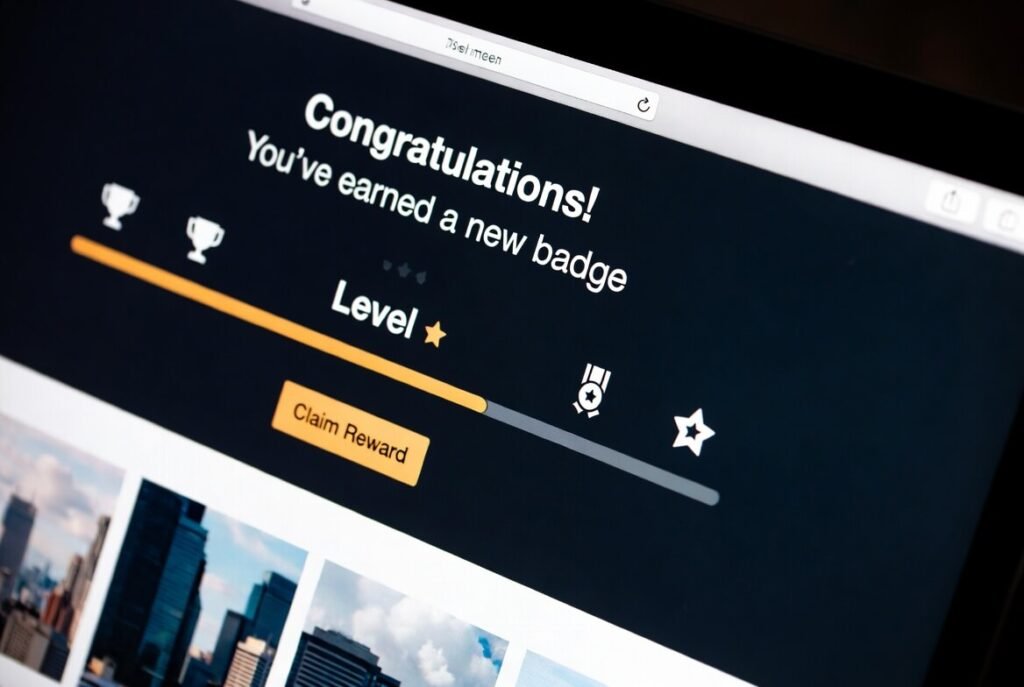
Gamification elements come in several reliable forms. Points form the foundation of most systems. Users can earn points for actions like reading an article or watching a video. A point system lets people track their activity and see growth over time.
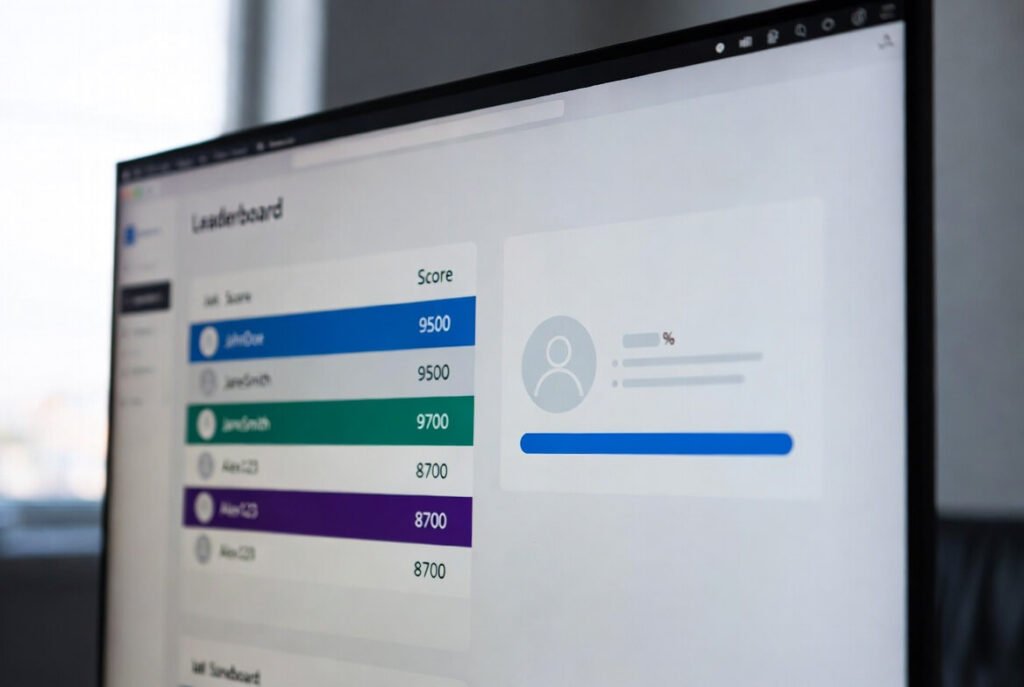
Badges mark milestones. When someone reaches a certain level, they unlock a visual badge that appears on their profile or dashboard. Leaderboards add friendly competition by showing top performers. Many sites use these to drive user engagement through social proof.
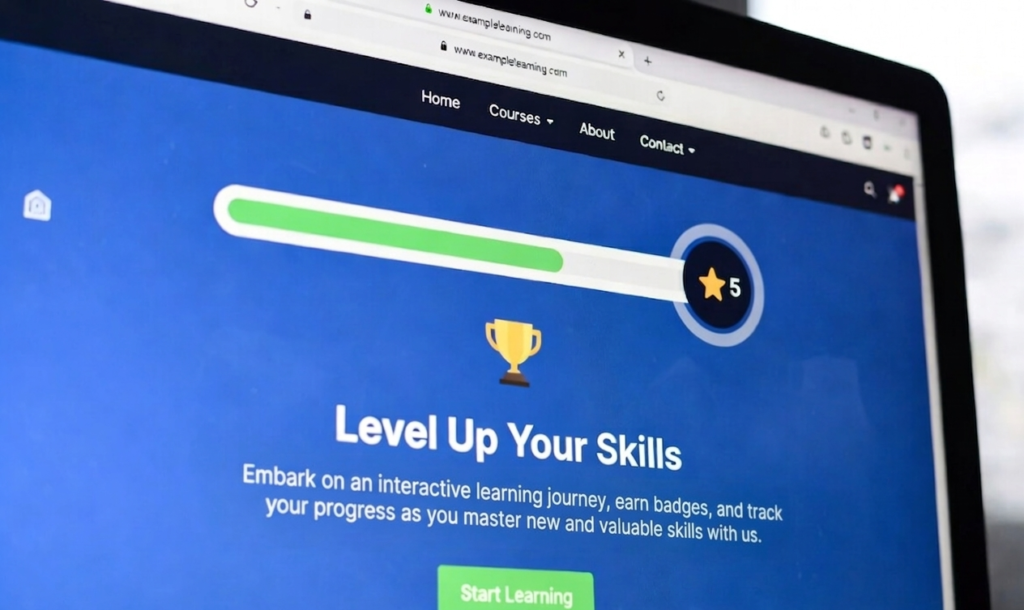
Progress bars offer clear progress tracking. They fill up as users move through steps, giving instant feedback. Quizzes turn information into a game mechanic that tests knowledge while keeping things light. These game-like elements into your website create the right mix of challenge and reward.
We also like challenges and rewards. Users tackle time-limited tasks and receive a discount or exclusive content when they succeed. Elements like progress bars and game elements like points work especially well together. At Suncode Miami we always match these to your target audience so the experience feels personal.
Learn also about flat design vs material design.
How Does Website Gamification Work in Practice?
Website gamification involves a clear loop. First comes a trigger that prompts action. Next, the user performs a specific action and receives feedback. Then comes progression that shows advancement. Finally, rewards reinforce the behavior so users return.
This cycle keeps momentum high. Gamification techniques rely on dopamine hits from small wins. When you implement gamification on your website, the loop turns passive visitors into active participants. We have seen this pattern raise time on site and lower bounce rates across client projects.
Real-World Examples of Website Gamification
Real-world examples show how gamification works across different sites. BuzzFeed uses quizzes to entertain and collect data at the same time. Users answer questions and share results, which boosts engagement metrics.
Samsung Nation once turned its corporate site into a gamified experience with points and badges. Participants earned rewards for sharing content and helping others. The result was a huge lift in user-generated material.
Ikea created an interactive game where people built virtual careers inside a store. Visitors chose characters and advanced through different levels. This example of gamification kept people on the site far longer than standard product pages.
Gucci added immersive storytelling with game-like elements. Shoppers unlocked content by exploring virtual spaces. These website gamification examples prove the approach works for both e-commerce and informational sites.
Click here is you want to learn about importance of user experience in web design.
Step-by-Step: How to Implement Gamification on Your Website
Ready to start? Here is the exact process we follow at Suncode Miami.
Step 1: Define your goals. Decide what specific action you want users to take, such as subscribing to a newsletter or requesting a quote. Clear objectives keep everything aligned.
Step 2: Choose the right elements. Pick mechanics that match your audience. Beginners often start with a point system and progress bar because they are easy to understand.
Step 3: Select tools. Website builders like Wix or Webflow support interactive elements natively. For WordPress, gamification platforms and plugins such as GamiPress or BadgeOS handle the heavy lifting. These options let you add badges and leaderboards without heavy coding.
Step 4: Design the experience. Make sure every element serves website functionality. Use clean visuals so the additions enhance user experience rather than distract. Test on mobile because most traffic arrives from phones.
Step 5: Launch and measure. Add the features, then track results with analytics. Look at engagement metrics like time on page and conversion rate. Adjust based on what you see.
Step 6: Iterate. Successful gamification requires ongoing tweaks. Add new challenges and rewards as your audience grows. This keeps the site fresh and continues to motivate users.
Following these steps helps you gamify your website safely and effectively. We recommend beginning with one or two mechanics so you avoid overload.
Best Practices for Adding Gamification
Best practices keep gamification useful. First, understand your users. Business owners and entrepreneurs respond well to practical rewards like discounts or early access to resources.
Second, balance fun with clarity. Too many game elements can confuse visitors. Keep instructions simple and tie every mechanic to a real benefit.
Third, use data. Tools like Google Analytics show user behavior and engagement patterns. Review these regularly to refine your approach.
Fourth, test everything. Run A/B tests on different badges or point values. Small changes often produce big lifts in performance.
Fifth, integrate smoothly with your overall website design. The additions should feel like natural parts of the layout rather than afterthoughts.
We always advise clients to focus on quality over quantity. A few well-chosen features deliver better results than a cluttered interface.
Learn also about Responsive Web Design: An Introduction & Best Practices
Gamification in Marketing and Digital Strategies
Gamification in marketing helps brands stand out. When you combine it with digital marketing efforts, the results compound. Users who earn points for newsletter sign-ups become more loyal subscribers. Challenges and rewards turn one-time visitors into repeat customers.
At Suncode Miami we integrate these tactics into broader campaigns. For example, a quiz about industry trends can capture leads while educating prospects. This type of gamification to create stronger connections between your brand and your audience.
Common Challenges and How to Avoid Them
Overdoing it ranks as the top mistake. Too many pop-ups or notifications annoy users. Stick to subtle additions that support rather than interrupt.
Unclear rules also cause drop-off. Make sure every badge or point explains exactly how users can earn it. Provide immediate feedback so people know they succeeded.
Finally, ignore mobile at your peril. Most website visitors use phones. Design every mechanic to work perfectly on smaller screens.
Why Gamification Can Make Your Site Stand Out in 2026
Gamification can make your site more engaging at a time when attention spans keep shrinking. Website experience matters more than ever. By adding these layers you give users reasons to stay and return.
We have helped many entrepreneurs turn standard sites into destinations people enjoy. The difference shows in higher conversion rates and stronger brand recall.
Learn more about Web Design in 2026 here!
How to Measure Success with Engagement Metrics
After launch, focus on the right numbers. Track how long users stay, how many pages they view, and whether they complete desired actions. Tools like Google Analytics make this straightforward.
Look at progress tracking data to see which mechanics perform best. Adjust the point system or add new badges based on real results. This data-driven loop ensures your investment keeps paying off.
FAQ
What exactly counts as gamification in websites?
It means applying game mechanics to non-game contexts to increase motivation and interaction. Points, badges, and progress bars are classic examples.
Do I need special coding skills to gamify my site?
Not necessarily. Many website builders and gamification platforms and plugins handle the technical side. We at Suncode Miami can build custom solutions if you want deeper integration.
Will gamification hurt my SEO?
No. When done right it actually supports SEO by increasing time on site and lowering bounce rates. Search engines reward pages that keep users engaged.
How much does it cost to add these features?
Costs vary. Simple plugins start low while custom development fits larger budgets. We provide clear quotes based on your goals.
Can small businesses benefit from this approach?
Absolutely. Even basic elements like a quiz or progress bar can boost engagement for local companies and entrepreneurs.
Is there a risk of making the site feel childish?
Only if you choose the wrong tone. We focus on professional implementations that feel modern and useful rather than playful in a negative way.

